Annapurna Circuit Trek
Explore the Majestic Himalayas
17-Day Annapurna Circuit Trek Adventure
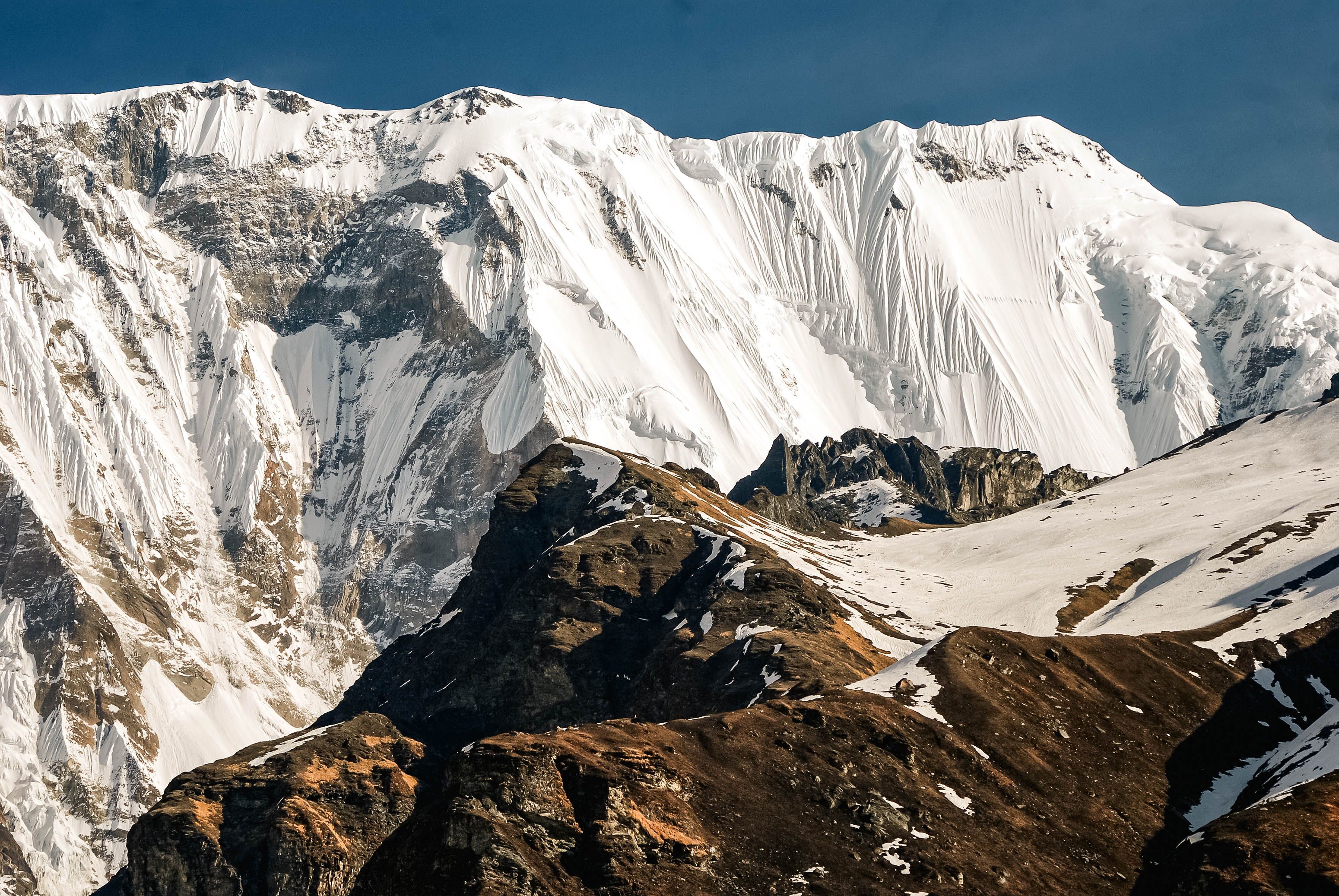
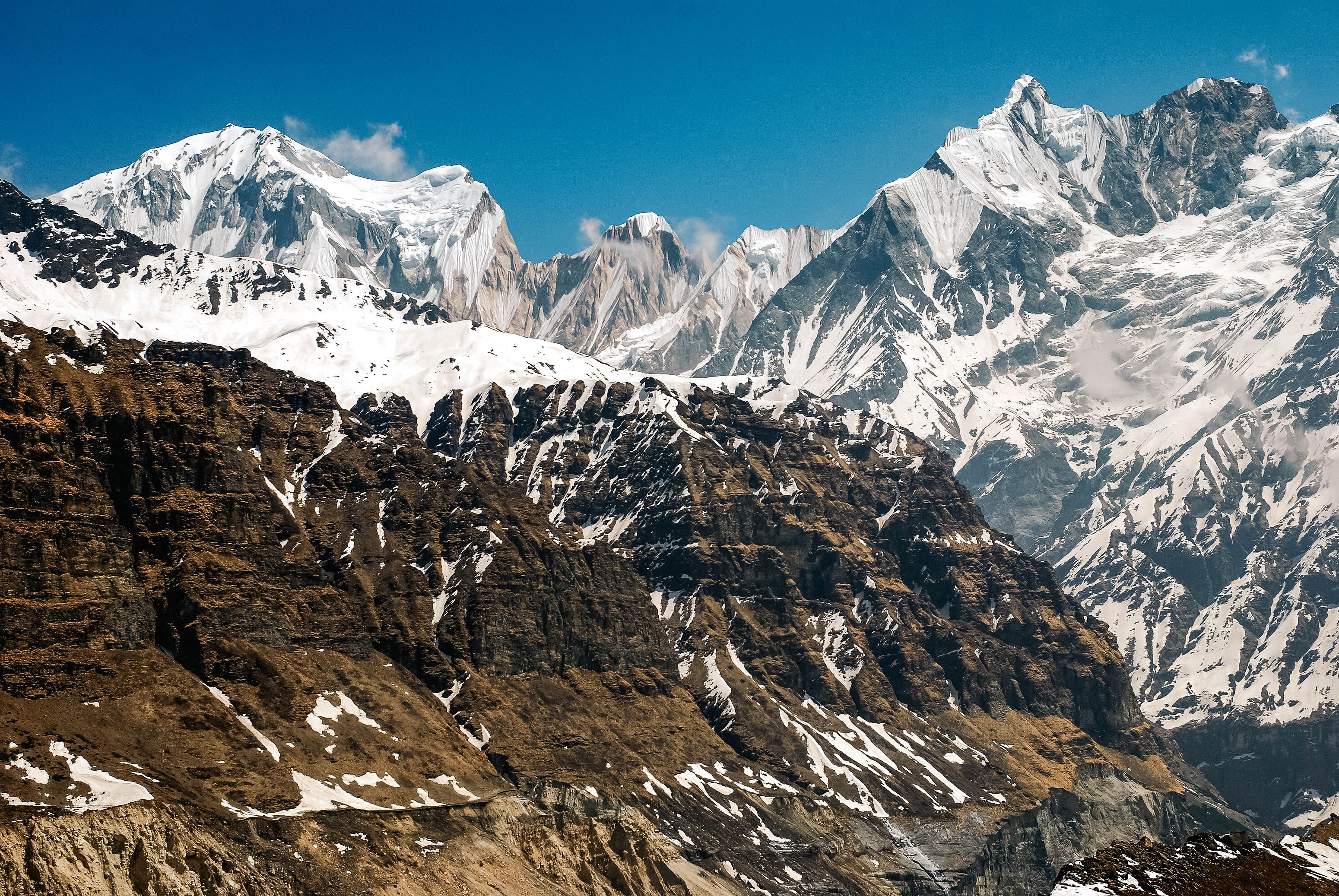
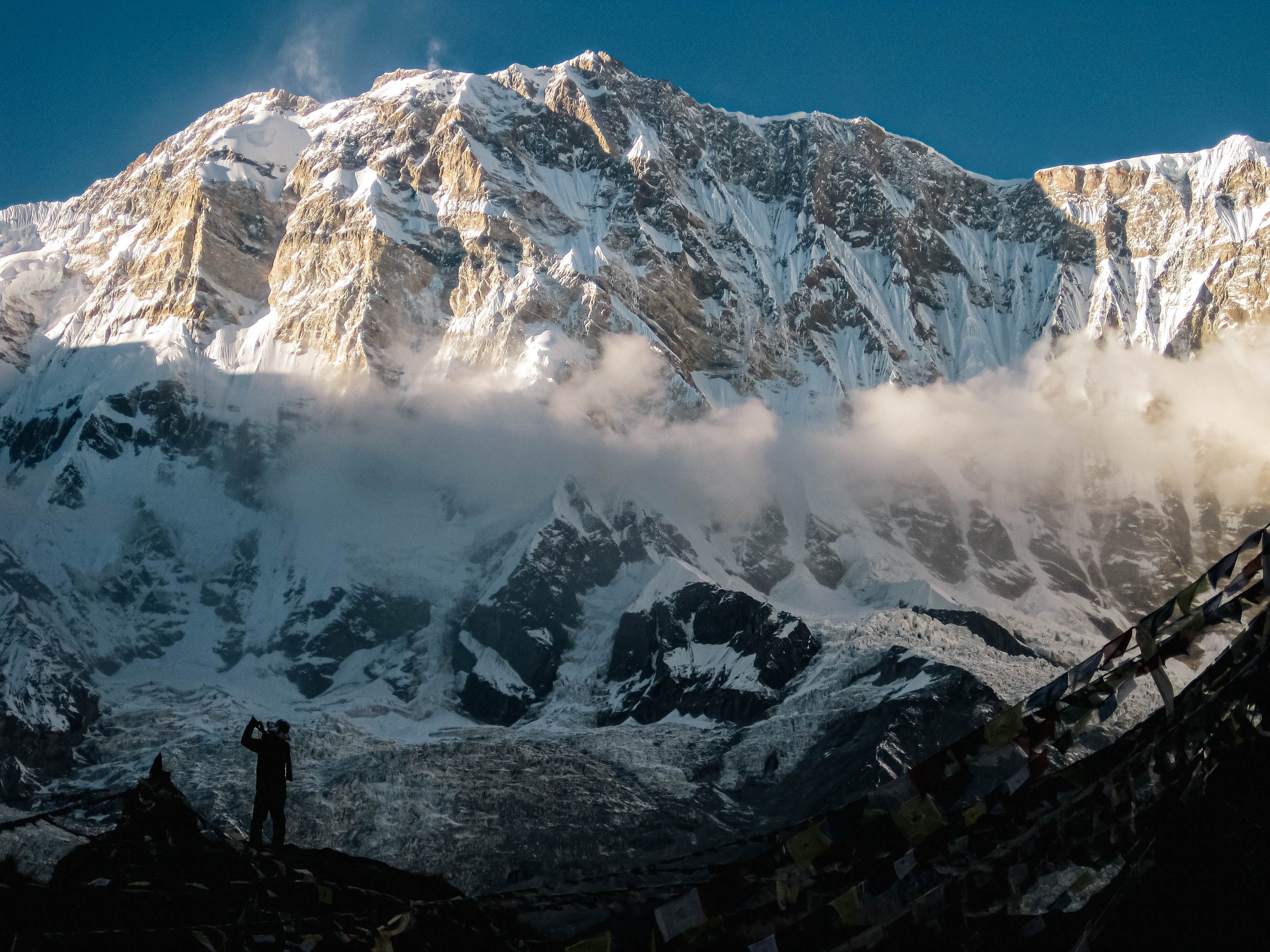
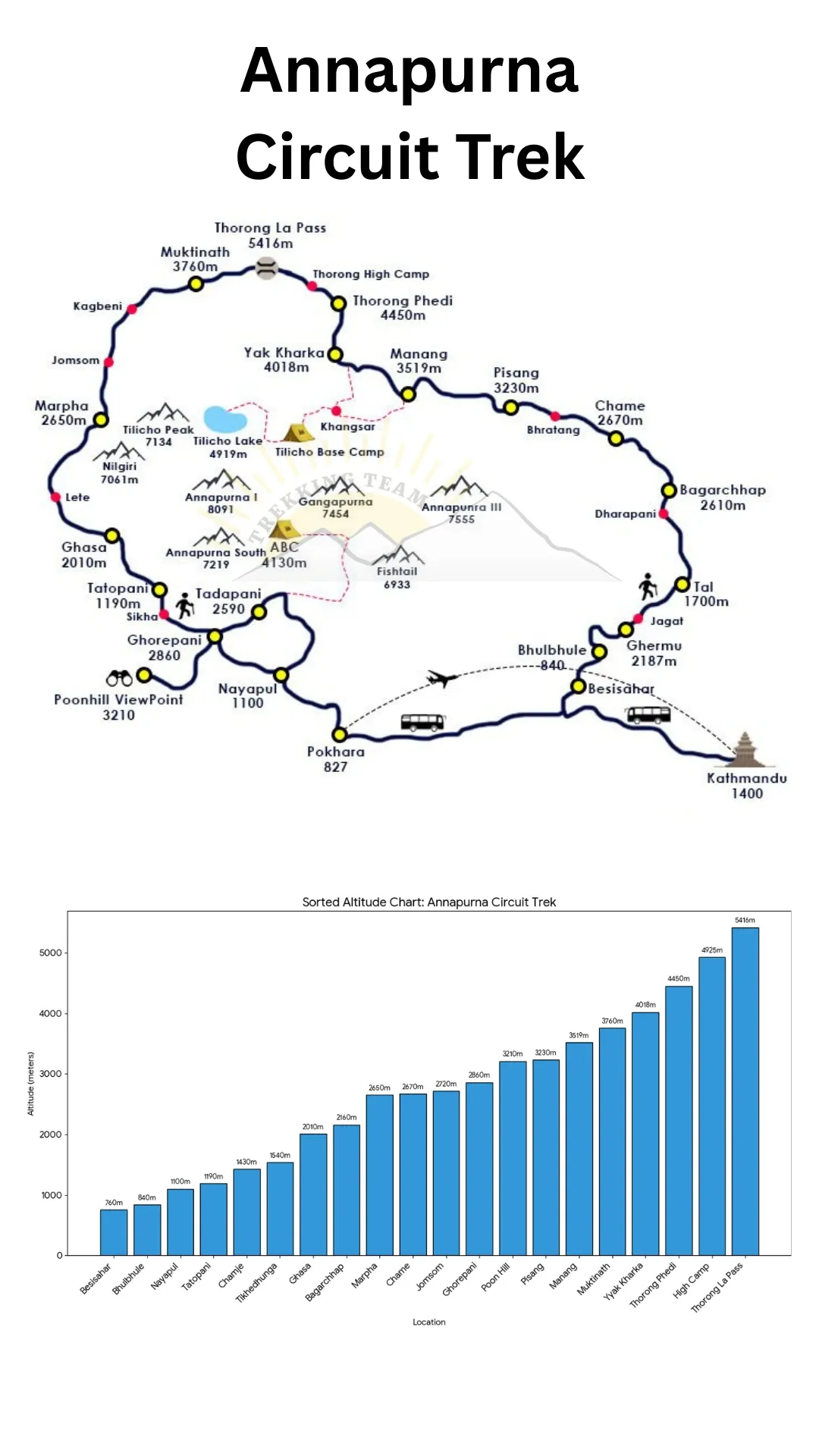
Embark on an unforgettable journey through the diverse landscapes of the Annapurna region with our 17-day Annapurna Circuit Trek. This classic trek offers a perfect blend of natural beauty, cultural encounters, and challenging adventure. Traverse through lush forests, terraced fields, high mountain passes, and traditional villages, all while enjoying breathtaking views of the Annapurna and Dhaulagiri ranges. Ideal for trekking enthusiasts, this adventure promises an enriching experience in the heart of the Himalayas. Join us for this epic trek and create memories that will last a lifetime.
Trip Summary
Duration
Difficulty
Max Elevation
Start point
End point
Daily Activity
Group Size
Best Season
Trip Outline
- Day 1Arrival in Kathmandu
- Day 2Kathmandu: Sightseeing and Trek Preparation
- Day 3Drive to Chame
- Day 4Trek from Chame to Pisang
- Day 5Trek from Pisang to Ngawal
- Day 6Trek from Ngawal to Manang
- Day 7Manang: Acclimatization Day
- Day 8Trek from Manang to Yak Kharka
- Day 9Trek from Yak Kharka to Thorong Phedi
- Day 10Trek from Thorong Phedi to Muktinath via Thorong La Pass
- Day 11Drive from Muktinath to Tatopani
- Day 12Trek from Tatopani to Ghorepani
- Day 13Trek from Ghorepani to Poon Hill to Tadapani
- Day 14Trek from Tadapani to Ghandruk
- Day 15Drive from Ghandruk to Pokhara
- Day 16Fly from Pokhara to Kathmandu
- Day 17Final Departure from Kathmandu
Included
- All domestic Transfers as mentioned in the itinerary
- Trekking conservation permit
- Trekking Register Certificate
- Equipped and insured trekking porter
- Experienced and first aid trained license holder trekking guide
- 3/4 star hotel in Kathmandu & Pokhara, Tea House accommodation during the trek in double occupancy
- All meals during the trek (B=breakfast, L=Lunch, D= Dinner)
- Sleeping bag (only if require)
- Government taxes and service charges
Not Included
- Drinks and Bar Bill (beverage) in the tea house trek
- Helicopter evacuation/rescue in case of emergency
- Personal insurance
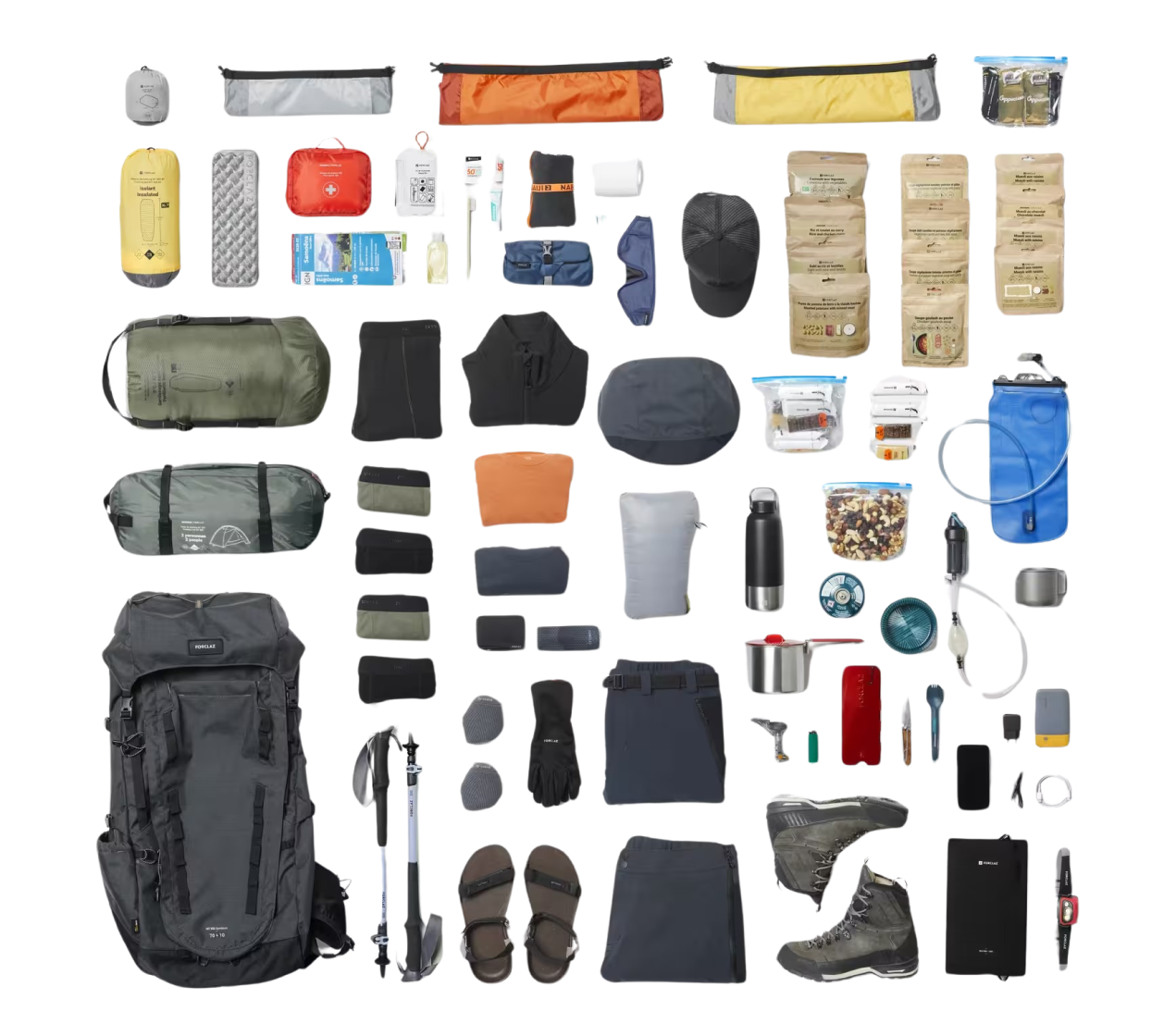
- Personal use trekking equipment
- Tipping to guide and porter
Get started on your journey
Detailed itinerary
Arrival in Kathmandu
Your Annapurna Circuit trek begins before you even lace up your boots. Landing at Tribhuvan International Airport in Kathmandu, Nepal's ancient, chaotic, and utterly fascinating capital, is itself an experience worth savoring. The Kathmandu Valley has served as the gateway to the high Himalayas for centuries, and the energy you feel stepping out of arrivals , the scent of incense drifting from a nearby temple, the noise of three-wheelers negotiating streets that were never designed for them, the sight of white-capped peaks visible on a clear day from the right hilltop , sets the tone perfectly. Your guide or a company representative will meet you at the airport and transfer you to your hotel in Thamel, Kathmandu's lively tourist hub. Take the afternoon at your own pace. Thamel's narrow lanes are packed with trekking gear shops, bookstores stacked with dog-eared Himalayan classics, and rooftop restaurants where you can eat momos , Nepal's beloved steamed dumplings — while watching the street life below. In the evening, join a welcome briefing with your lead guide. This is the moment to ask every question you have been holding, review the day-by-day plan, double-check your gear, and confirm that any last-minute equipment needs can be addressed tomorrow during the Kathmandu preparation day. Sleep well — the adventure starts in earnest very soon.
Travel duration
Elevation
Meal
Accommodation


Kathmandu: Sightseeing and Trek Preparation
A full day in Kathmandu before a long Himalayan trek is not padding — it is essential. Today gives you time to secure your permits, adjust any gear, and absorb the cultural and spiritual context of the country you are about to explore on foot. Understanding a little of Nepal's history and religion before you walk through villages where that history is still very much alive makes the trek richer. The morning is dedicated to sightseeing. Pashupatinath Temple, the most sacred Hindu temple in Nepal and a UNESCO World Heritage Site, sits on the banks of the Bagmati River. Wandering its ghats, watching sadhus in saffron robes, and observing the rituals practiced here for over a thousand years is a humbling reminder that you are in a place where the sacred and the everyday are inseparable. A short drive brings you to Boudhanath Stupa, one of the largest Buddhist stupas in the world. The mandala-shaped structure — its painted eyes scanning the four directions from the pinnacle — is surrounded by a ring of monasteries and prayer-wheel-lined alleyways. Monks in burgundy robes walk the kora (circumambulation path) while butter-lamp sellers set up their stalls. After lunch, your guide will help you obtain your ACAP permit and TIMS card if these have not been arranged in advance. These are required documents for trekking in the Annapurna region and must be carried throughout. The afternoon is yours to browse the gear shops of Thamel, pick up any snacks you want to carry on the trail, or simply rest and prepare mentally for the journey ahead.
Travel duration
Elevation
Meal
Accommodation
Drive to Chame
An early departure from Kathmandu marks the true beginning. The drive to Chame follows the Prithvi Highway through the Trisuli Valley before turning north along the Marshyangdi River — a route that transitions dramatically from green, warm lowlands to the cooler, rockier folds of the high hills. The road is an experience in itself: waterfalls tumbling from terraced slopes, roadside dhabas selling hot tea and biscuits, and increasingly ambitious mountain views as the valley narrows. Chame is the district headquarters of Manang District and a proper mountain town with lodges, bakeries, and small shops catering to trekkers. At 2,710 meters it sits comfortably below any altitude concern, making it an ideal first night stop. After the long drive, stretch your legs on a short walk along the river, eat a hot dinner, and turn in early. Tomorrow the trekking begins.
Travel duration
Elevation
Meal
Accommodation
Trek from Chame to Pisang
The first full day on the trail from Chame to Pisang introduces you to the character of the Annapurna Circuit at its most dramatic. Almost immediately after leaving Chame, the valley tightens into a narrow gorge where sheer rock walls rise hundreds of meters on either side and the Marshyangdi River roars below. The trail pushes through dense pine and oak forest, crosses suspension bridges, and passes beneath Lamjung Himal's gleaming south face. The halfway point is Dharapani, a compact village at the junction of the Marsyangdi and Dudh Khola rivers. From here the landscape begins its slow, irreversible transformation. Trees grow shorter and more wind-battered, prayer flags appear on ridgelines, and the architecture of the villages shifts from Hindu-influenced farmhouses to flat-roofed stone structures with Tibetan Buddhist carvings around the doorways. Upper Pisang, perched on a ridge above the valley floor with a commanding view of Annapurna II and the start of the high-altitude plateau, is the more rewarding accommodation choice over Lower Pisang. If you have time and energy, the 20-minute climb to Upper Pisang's ancient monastery — which dates back several centuries and houses remarkable thangka paintings — is absolutely worth it before dinner.
Travel duration
Elevation
Meal
Accommodation
Trek from Pisang to Ngawal
The high route from Upper Pisang to Ngawal is one of the most visually rewarding sections of the entire Annapurna Circuit, and trekkers who take the lower valley road miss what many guides consider the finest viewpoint morning of the whole trek. The high trail climbs steadily above the valley floor along a ridge that brings Annapurna II, Annapurna IV, and Gangapurna into full, unobstructed view across a wide, wind-swept plateau. The landscape here is unmistakably Tibetan in character — a consequence of the Annapurna massif blocking monsoon moisture from the south, leaving this side in a dry rain shadow that mirrors the Tibetan plateau. Stone walls marking ancient field boundaries, whitewashed chortens at village entrances, and the sight of yaks grazing on sparse, high-altitude grass all reinforce the sense that you have crossed an invisible but very real boundary into a different world. Ngawal is a small, traditional village that sees fewer trekkers than Manang — which is part of its appeal. The teahouses here are family-run, the food is simple and good, and sitting on a rooftop with a cup of milk tea watching the alpenglow fade on Annapurna's north face is a memory that doesn't fade. For trekkers wanting to acclimatize gently, this shorter day is well-placed.
Travel duration
Elevation
Meal
Accommodation
Trek from Ngawal to Manang
The trail from Ngawal descends gradually to the valley floor before reaching Bhraka village and then climbing slightly to Manang, the last major settlement before the high passes. The morning walk passes beneath the immense north face of Gangapurna (7,455 m) and skirts the edge of Gangapurna Lake — a milky turquoise glacial lake that perfectly mirrors the peaks above when the air is still. Manang itself is a surprise to many first-time visitors. At nearly 3,500 meters, it is a proper mountain town: multiple lodges, a bakery producing fresh bread and apple pie that has become something of a Circuit institution, a ACAP information center, and a Himalayan Rescue Association post where a medical officer delivers a daily altitude sickness briefing that all trekkers are strongly encouraged to attend. The briefing covers Acute Mountain Sickness (AMS), High Altitude Pulmonary Edema (HAPE), and High Altitude Cerebral Edema (HACE) with the kind of practical clarity that could genuinely save a life. Spend the afternoon exploring Manang's ancient alleys, visiting Milarepa Cave above the village, or simply resting with a book on a lodge rooftop while Annapurna III fills the entire southern sky. Tonight is your last night at a lower altitude before you push toward the pass — rest well and eat generously.
Travel duration
Elevation
Meal
Accommodation
Manang: Acclimatization Day
The cardinal rule of high-altitude trekking — climb high, sleep low — makes today's acclimatization day not a luxury but a non-negotiable part of safe travel above 5,000 meters. Your body needs time to increase red blood cell production, improve oxygen absorption, and adapt its chemistry to an environment where every breath delivers significantly less usable oxygen than at sea level. The recommended acclimatization excursion from Manang is the hike to Khangsar village and, if fitness allows, onward toward Tilicho Lake base camp (Tilicho Lake itself, at 4,919 m, is a full-day extension best done by trekkers with an extra day in the schedule). The hike to Khangsar climbs to around 3,800–4,000 meters, which is exactly the altitude stimulus needed to trigger acclimatization without exhausting the body. Spend the afternoon in Manang. Eat two full meals, drink at least three to four liters of water throughout the day, limit alcohol, and avoid any strenuous exertion after your morning hike. A good night's sleep at this altitude is worth more than anything else you can do to prepare for Thorong La. Check your gear for the pass crossing — warm layers, windproof jacket, gloves, trekking poles, and head torch should all be ready and accessible.
Travel duration
Elevation
Meal
Accommodation
Trek from Manang to Yak Kharka
Leaving Manang, the trail follows the Marsyangdi Valley north and west into increasingly stark, high-altitude terrain. The vegetation becomes progressively sparser with each hour of walking — juniper and scrub giving way to low alpine grasses, and eventually to the rough, rocky ground characteristic of the Himalayan high zone. The air is noticeably thinner than it was two days ago in Manang, and a slower pace is both natural and wise. Yak Kharka — the name literally means 'Yak Pasture' — sits at around 4,018 meters on a wide, treeless bench above the valley. It is a simple place: a handful of stone lodges catering exclusively to trekkers passing through, a few solar panels charging phone batteries, and the constant possibility of yaks wandering through the yard. The landscape has a severe, windswept beauty that is completely different from anything you have seen on the lower circuit. The shorter distance today is intentional. Altitude gain above 3,500 meters should be limited to around 300–500 meters per day wherever possible. A short day now is an investment in a successful pass crossing the day after tomorrow. Eat a warm dinner, drink plenty of fluids, and get into your sleeping bag early.
Travel duration
Elevation
Meal
Accommodation
Trek from Yak Kharka to Thorong Phedi
This short but significant day carries you from Yak Kharka up to Thorong Phedi — literally 'Base of Thorong' — the last stop before the pass. The trail crosses the Kang La valley, passes beneath the moraine walls of ancient glaciers, and deposits you at a cluster of lodges perched on a ridge at 4,525 meters. From the teahouse windows on a clear evening, you can see the beginning of the switchback trail that climbs toward the pass in the darkness before dawn. Many trekkers pause at the High Camp teahouse (4,849 m) just above Phedi, which shortens the next morning's pass crossing by approximately 90 minutes. Whether you push to High Camp or stay at Thorong Phedi is a decision worth discussing with your guide based on how you are feeling, the weather forecast, and your overall pace so far. Both options are viable; High Camp reduces the pass day total, but the extra altitude gain today is a real consideration. Sleep is often difficult at this altitude — particularly at High Camp. The body is working hard, and vivid dreams or light sleep are normal. Do not fight it; rest in whatever form it comes. Eat dinner regardless of appetite, keep drinking water, and set your alarm for 3:30–4:00 AM.
Travel duration
Elevation
Meal
Accommodation
Trek from Thorong Phedi to Muktinath via Thorong La Pass
This is the day you have been building toward since Kathmandu. Thorong La Pass at 5,416 meters is the highest trekking pass in the world, the climactic moment of the Annapurna Circuit, and one of those experiences that trekkers spend years afterward trying to adequately describe to people who were not there. The pre-dawn start — typically 4:00–5:00 AM — is not a suggestion but a strategy. The pass must be crossed in the morning before afternoon winds and cloud build-up make the ascent and descent dangerous. The first section from High Camp to the pass is a relentlessly steep switchback climb in darkness, with headlamps bobbing across the hillside as dozens of trekkers from different lodges converge on the same narrow trail. The cold is intense — temperatures regularly drop well below freezing before sunrise — but the physical effort of climbing keeps most people warm enough. As the sky lightens from charcoal to deep blue to the first faint orange of dawn, the scale of what surrounds you becomes apparent in stages. Prayer flags appear first — a horizon's worth of them, streaming in the high wind at the pass cairn. Then the mountains reveal themselves: Thorong Peak, Yakawa Kang, Khatungkang, and on the clearest mornings, the distant white triangle of Dhaulagiri rising above everything to the southwest. Standing at the pass in that first light is one of the most moving moments available to a trekker anywhere in the Himalayas. The descent to Muktinath is long and knee-demanding — a loose, rocky 1,600-meter drop over roughly 7 kilometers. Trekking poles are invaluable here. Charabu and Muktinath come into view long before you reach them, tiny clusters of rooftops on the dry plateau of the Mustang Valley. Muktinath, at 3,760 meters, is one of the most sacred pilgrimage sites in the Himalayas — revered by both Hindus and Buddhists. The ancient temple complex, fed by 108 sacred water spouts, welcomes pilgrims and trekkers alike.
Travel duration
Elevation
Meal
Accommodation
Drive from Muktinath to Tatopani
After the physical intensity of pass day, today's jeep drive from Muktinath down through the Kali Gandaki Valley to Tatopani is genuinely welcome. The road descends through the landscape of Upper Mustang's approach — a wide, arid valley flanked by eroded ochre cliffs, wind-carved into shapes that look borrowed from a Martian landscape. The Kali Gandaki Gorge, through which the road eventually winds, is the deepest river gorge in the world by some measurements, with Dhaulagiri to the west and Annapurna to the east rising more than six vertical kilometers above the river. Tatopani, whose name translates simply as 'hot water,' is famous among Annapurna Circuit trekkers for one thing above all else: its natural hot springs. After the cold, high-altitude days above the pass, sliding into the riverside hot spring pools as the Kali Gandaki rushes past is one of the great restorative pleasures of the entire trek. Sore legs, tired backs, and stiff knees dissolve into the mineral-rich warmth. Tatopani also sits at a low enough altitude that the air feels genuinely rich and generous after days above 4,000 meters.
Travel duration
Elevation
Meal
Accommodation
Trek from Tatopani to Ghorepani
The trail from Tatopani to Ghorepani is one of the great climbs of the Annapurna Circuit — a sustained ascent of nearly 1,700 meters through forest, rhododendron stands, and a succession of traditional Magar and Gurung villages. It is the kind of day that tests your legs but rewards your eyes at every corner. In the spring (March–April), the rhododendron trees on this section are in full bloom — a wall of red, pink, and white flowers visible through the entire upper forest. The trail passes through Ghara, Shikha, and Sikha before the long forest climb to Ghorepani. The villages on this section are among the most photogenic on the entire circuit: stone paths worn smooth by generations of feet, chortens draped in moss and lichens, local women carrying dokos (wicker baskets) of firewood with the ease that only a lifetime of mountain living produces. Pack a good lunch from Tatopani as options on the trail are limited. Ghorepani, sitting at nearly 2,900 meters on a forested ridge, is the gateway to Poon Hill — and on a clear evening the ridge above the village offers the first full-face view of the Dhaulagiri massif that many trekkers have been waiting for. The village has numerous lodges, good food, and the infectious anticipation of tomorrow's Poon Hill sunrise.
Travel duration
Elevation
Meal
Accommodation
Trek from Ghorepani to Poon Hill to Tadapani
Wake before dawn, pull on every warm layer you own, and join the procession of trekkers climbing the 400 stone steps to Poon Hill's summit viewpoint. This pre-dawn ritual, replayed every morning throughout the trekking seasons, has become one of Nepal's most iconic travel experiences — and it deserves every superlative ever written about it. As the eastern sky begins to lighten, the sequence of revelation is almost theatrical. First Dhaulagiri (8,167 m) to the west catches the first pink light, its summit glowing above a sea of dark valleys. Then Annapurna South, Hiunchuli, and Machhapuchhre (Fishtail) to the east begin to ignite in sequence, their snow-covered faces turning from purple to rose to burning orange as the sun rises. Then Annapurna I — the tenth highest mountain in the world — appears in full, its north face an unbroken wall of ice and rock that fills the sky from horizon to horizon. It is difficult to describe the emotional impact of seeing ten of the world's highest mountains laid out in a single panorama at first light. Cameras are inadequate. Just look. After breakfast, descend from Ghorepani along a beautiful forest trail toward Tadapani. The route passes through dense rhododendron forest — one of the finest specimens in Nepal — before emerging periodically to views of Machhapuchhre's distinctive double summit and the Annapurna South massif. Tadapani sits at 2,630 meters on a ridge above the Modi Khola valley.
Travel duration
Elevation
Meal
Accommodation
Trek from Tadapani to Ghandruk
The final trekking day of the Annapurna Circuit brings you down from Tadapani's ridge through rhododendron and oak forest to Ghandruk, one of the most celebrated Gurung villages in Nepal and a place that encapsulates everything that makes the Annapurna foothills so deeply human and beautiful. The trail descends steadily with occasional steep sections, passing through small forest clearings where Machhapuchhre appears in perfect framing between the trees. The moment when Ghandruk comes into view for the first time — a sweep of traditional stone houses climbing a hillside above deep green terraces with Annapurna South rising directly behind it — is one of those compositions that explains why photographers return to Nepal again and again. Ghandruk is a living cultural museum. The Gurung people who have inhabited these hills for centuries maintain their traditions with genuine vitality — not for tourists but because this is simply how life is lived here. The Gurung Museum in the village offers insight into the community's history, including the extraordinary story of the Gurkha soldiers who have served in armies around the world while always calling this mountain valley home. Spend the afternoon exploring the village's stone-paved alleys, drinking tea on lodge terraces, and making the most of your last night on the mountain.
Travel duration
Elevation
Meal
Accommodation
Drive from Ghandruk to Pokhara
A short jeep ride or walk to the road-head at Nayapul or Kimche, followed by a scenic drive along the Pokhara highway, delivers you to Nepal's lake city by mid-morning or noon. The transition from mountain village to Pokhara's lakeside promenade is pleasurably disorienting — hot showers, cafe menus with everything from pasta to sushi, and the sight of Phewa Lake reflecting the Annapurna range in its still waters. Pokhara is a genuinely lovely city and deserves more than a transit stop. The afternoon is yours to use as you see fit. Boat rides on Phewa Lake to the Barahi Temple island are a popular and peaceful option. The World Peace Stupa on the ridge above the lake offers a panoramic view of the entire Annapurna Himal that, after everything you have experienced over the past two weeks, carries a different kind of weight. The Lakeside strip has excellent restaurants, massage parlors ready to address fourteen days of accumulated trail fatigue, and shops full of Nepali crafts.
Travel duration
Elevation
Meal
Accommodation
Fly from Pokhara to Kathmandu
The 25-minute mountain flight from Pokhara to Kathmandu is a bucket-list experience in its own right. On a clear morning the aircraft flies directly along the foot of the Annapurna Himal, offering close-range views of Machhapuchhre, Annapurna South, and if visibility is perfect Annapurna I from the aircraft window. The entire panorama that took you fourteen days to walk through unfolds in less than half an hour at 25,000 feet. Arriving back in Kathmandu, your guide will transfer you to your hotel. The afternoon is free for final shopping, a farewell dinner at one of Thamel's rooftop restaurants, or simply sitting quietly and letting the experiences of the past two weeks settle into something you can carry home. The Annapurna Circuit has a way of recalibrating things what feels difficult, what feels beautiful, and what the human body and spirit are actually capable of.
Travel duration
Elevation
Meal
Accommodation
Final Departure from Kathmandu
After breakfast and hotel checkout, your guide or company representative will transfer you to Tribhuvan International Airport in time for your onward flight. The departure process in Kathmandu requires arriving at least three hours before international flights , the airport is busy and security queues can be slow. You leave Nepal with a different relationship to the word 'altitude,' a clearer sense of what 5,416 meters actually feels like in your lungs and legs, and a collection of memories , the pre-dawn darkness of Thorong La, the bloom of rhododendrons above Ghorepani, the warmth of a teahouse stove after a cold wet trail day, the exact shade of blue the sky turns at 4,500 meters — that no photograph fully captures and no amount of time entirely fades.
Travel duration
Elevation
Meal
Accommodation
Ready to start your journey?
Start planning your dream trip today. Enquire now for more information or customize this trip to tailor it to your needs and make it truly unforgettable.