Strategic Travel Analysis: Tibet as the Roof of the World
Strategic Travel Analysis: Tibet as the Roof of the World
The Tibetan Plateau is far more than a geographical landmark; it is the "Roof of the World," a place where the earth meets the sky at an average altitude of over 4,000 meters. For centuries, this vast highland was one of the most isolated corners of the globe, allowing a unique civilization to flourish in the thin air.
Today, in 2026, the region is more accessible than ever. With the expansion of visa-free entry policies and modernized border crossings between Nepal and the Tibet Autonomous Region (TAR), a new chapter of exploration is opening for those eager to understand this spiritual heartland.
From Empire to Enlightenment
Tibetan history didn't start in quiet meditation; it began with the roar of a military powerhouse. Centered in the Yarlung Valley around 127 B.C.E., the early Tibetan clans eventually forged the Tibetan Empire. At its peak between the 7th and 9th centuries, the Yarlung Dynasty was a formidable force that controlled parts of the Silk Road and even successfully challenged Tang China.
The Shol Potala Pillar in Lhasa stands today as a silent witness to this era of imperial expansion. It reminds us that before Tibet became a global symbol of peace, it was a dominant player in Central Asian geopolitics.
The Spiritual Transformation of a Nation
The true turning point for Tibet came with King Songtsen Gampo, the 33rd ruler of the Yarlung Dynasty. He is the man credited with unifying the plateau and—more importantly—planting the seeds of Tibetan Buddhism.
Through strategic diplomacy and marriage, Songtsen Gampo connected Tibet to the cultural riches of its neighbors. His queens, Princess Bhrikuti of Nepal and Princess Wencheng of China, are still revered today for bringing sacred Buddhist relics and scholarship to the plateau.
To ensure these spiritual teachings could take root, the King commissioned the creation of a standardized Tibetan script. His minister, Thönmi Sambhota, traveled to India to study Sanskrit, eventually returning with an alphabet adapted to the unique sounds of the Tibetan language. This wasn't just a linguistic update; it was the birth of a literary tradition that would preserve ancient wisdom for over a millennium.
| Key Historical Eras of Tibet | Approximate Period | Major Developments and Governance |
| Early Yarlung Dynasty | 127 B.C.E. – 600 C.E. | Foundation of Tibetan civilization; rule from Yungbulakang Palace. |
| Tibetan Empire | 618 – 842 C.E. | Military expansion; unification; introduction of Buddhism under "Religious Kings." |
| Era of Fragmentation | 842 – 1240 C.E. | Dissolution of central authority; rise of semi-autonomous regional polities. |
| Sakya-Mongol Period | 1244 – 1354 C.E. | Priest-patron relationship (Cho-Yon) with the Mongol Empire. |
| Phagmodrupa & Ruling Houses | 1354 – 1642 C.E. | Independence during China's Ming Dynasty; rise of Gelugpa school. |
| Ganden Phodrang Gov. | 1642 – 1951 C.E. | Unification under 5th Dalai Lama; monastic-secular administration. |
| Modern Era | 1951 – Present | Incorporation into PRC; establishment of Tibet Autonomous Region (TAR). |
The "Priest-Patron" Legacy and Modern Governance
Tibet’s history is defined by a fascinating political concept known as Cho-Yon, or the Priest-Patron relationship. Established in the 13th century, this was a sophisticated diplomatic dance with the Mongol Empire. Rather than a conquest, it was a partnership: Tibetan spiritual leaders (the "Priests") provided moral guidance to the Mongol Khans (the "Patrons") in exchange for military protection and political autonomy.
This unique arrangement allowed Tibet to thrive as a cultural and religious center without the burden of maintaining a massive standing army. By the time the 5th Dalai Lama established the Ganden Phodrang government in 1642, this "monastic-secular" system was fully realized, focusing the nation’s resources on spiritual education and self-sufficiency.
For centuries, Tibet functioned with its own currency, postal system, and administration—a status that international scholars recognize as de facto independence between 1911 and 1949. However, the mid-20th century brought a seismic shift. Between 1949 and 1951, the entry of the People’s Liberation Army led to the 17-Point Agreement, officially incorporating the region as the Tibet Autonomous Region (TAR) within the People’s Republic of China.
Navigating Tibet Travel in 2026: New Rules, New Access
If you’ve been dreaming of a Lhasa pilgrimage or an Everest Base Camp trek, 2026 is a landmark year. The administrative "walls" around the plateau are beginning to lean, though they haven't disappeared entirely.
The 2026 Visa-Free Revolution
In a major shift that has accelerated through 2025 and into 2026, China has expanded its unilateral visa-free policy to 48 countries. Through December 31, 2026, holders of ordinary passports from eligible nations can enter China for up to 30 days without a visa for tourism, business, family visits, cultural exchanges, and transit.
The most recent additions include the United Kingdom and Canada (added February 17, 2026) and Sweden (added November 10, 2025), joining an already extensive list that includes France, Germany, Italy, Australia, New Zealand, Spain, Switzerland, the Netherlands, and many others.
Pro Tip: This visa-free entry applies to tourism, business, and family visits, making the first hurdle of your journey significantly easier. It also applies to travel from Nepal to Tibet — meaning the previously mandatory Chinese Group Visa from the Chinese Embassy in Kathmandu is no longer required for nationals of visa-free countries.
Understanding the Permit System
While a visa may no longer be required for many, the Tibet Travel Permit (TTP) remains mandatory for all international visitors. You cannot apply for this yourself; it must be secured through a licensed travel operator.
As you plan your Tibet tour, keep these 2026 updates in mind:
- The 30-Day Window: Visa-free travelers can spend their entire 30-day allowance in China, but your specific time in Tibet will be dictated by your TTP.
- Secondary Permits: If your heart is set on Mount Kailash or the border crossing to Nepal, you will still need additional "Alien’s Travel Permits" and "Military Permits."
- Entry from Nepal: If you enter via the Kathmandu-Lhasa border, specific group visa rules may still apply. Always coordinate with your operator 20–30 days in advance.
The "Roof of the World" is more open than it has been in decades, but it still rewards the well-prepared traveler.
| Policy Type | Eligible Nationalities (Partial List) | Stay Duration | Validity |
|---|---|---|---|
| Unilateral Visa-Free | South Korea, Japan, France, Germany, Italy, Netherlands, Spain, Switzerland, Australia, New Zealand, United Kingdom, Canada | 30 Days | Until Dec 31, 2026 |
| Unilateral Visa-Free | Norway, Finland, Denmark, Iceland, Belgium, Luxembourg, Austria, Ireland, Sweden, Portugal, Greece, Hungary, Poland, Croatia, Bulgaria | 30 Days | Until Dec 31, 2026 |
| Bilateral Agreement | Thailand, Malaysia, Singapore, UAE, Qatar, Kazakhstan, Maldives, Georgia, Armenia, Brunei | 30 Days | Indefinite/Per Treaty |
| Special Unilateral | Russia (September 15, 2025 – September 14, 2026) | 30 Days | Expires Sep 2026 |
| Standard Visa Required | USA, India (Permit rules for Indians are unique) | Per Visa | N/A |
Total visa-free eligible countries: 48 (as of February 2026). China has signaled plans to further expand this list in 2026-2027.
To round out our 2026 guide, we look at a major shift in the travel calendar and the "nitty-gritty" of the permit system. These updates are game-changers for anyone planning an early-season adventure.
A New Era: The End of the "March Closure"?
For years, the month of March was a "no-go" zone for international travelers in Tibet. The region would traditionally close its borders due to sensitive anniversaries, leaving many spring travelers waiting until April to visit.
However, 2026 marks a major operational shift. Local agencies in Lhasa report that the "March Closure" has been suspended. For the first time in over a decade, the region is expected to remain open through the winter and spring.
Why This Matters for You:
- The Nyingchi Peach Blossom Festival: This suspension opens a rare window to witness the "Switzerland of Tibet" in full bloom. From mid-March to early April, the valleys of Nyingchi turn into a sea of pink blossoms against the backdrop of snow-capped peaks.
- Fewer Crowds: Visiting in March allows you to experience iconic sites like the Potala Palace and Jokhang Temple without the massive summer throngs.
- Better Value: Early-season travel often comes with "winter prices" for hotels and tours, making a Tibet luxury tour much more accessible.
Demystifying the Tibet Permit Ecosystem
Navigating the paperwork for Tibet can feel like a trek in itself. In 2026, the system remains a tiered hierarchy. You can’t just "wing it" you need a sequence of documents checked at every airport, train station, and highway checkpoint.
1. The Foundation: Tibet Travel Permit (TTP)
This is your "golden ticket." Issued by the Tibet Tourism Bureau (TTB), it is required for every foreigner entering the region.
- The Golden Rule: You cannot apply for this yourself. You must book an organized tour with a registered agency.
- The 2026 Timeline: While the Bureau takes about 8-9 working days to process, we recommend submitting your passport scans at least 20-30 days in advance to allow for courier delivery.
- Physical vs. Digital: If you are flying into Lhasa from mainland China, you must have the original physical permit in your hand to board. If you're taking the train, a high-quality scanned copy usually does the trick.
2. Beyond Lhasa: Secondary Permits
If your heart is set on the "big" sights—like Everest Base Camp (EBC) or the holy Mount Kailash—the TTP isn't enough.
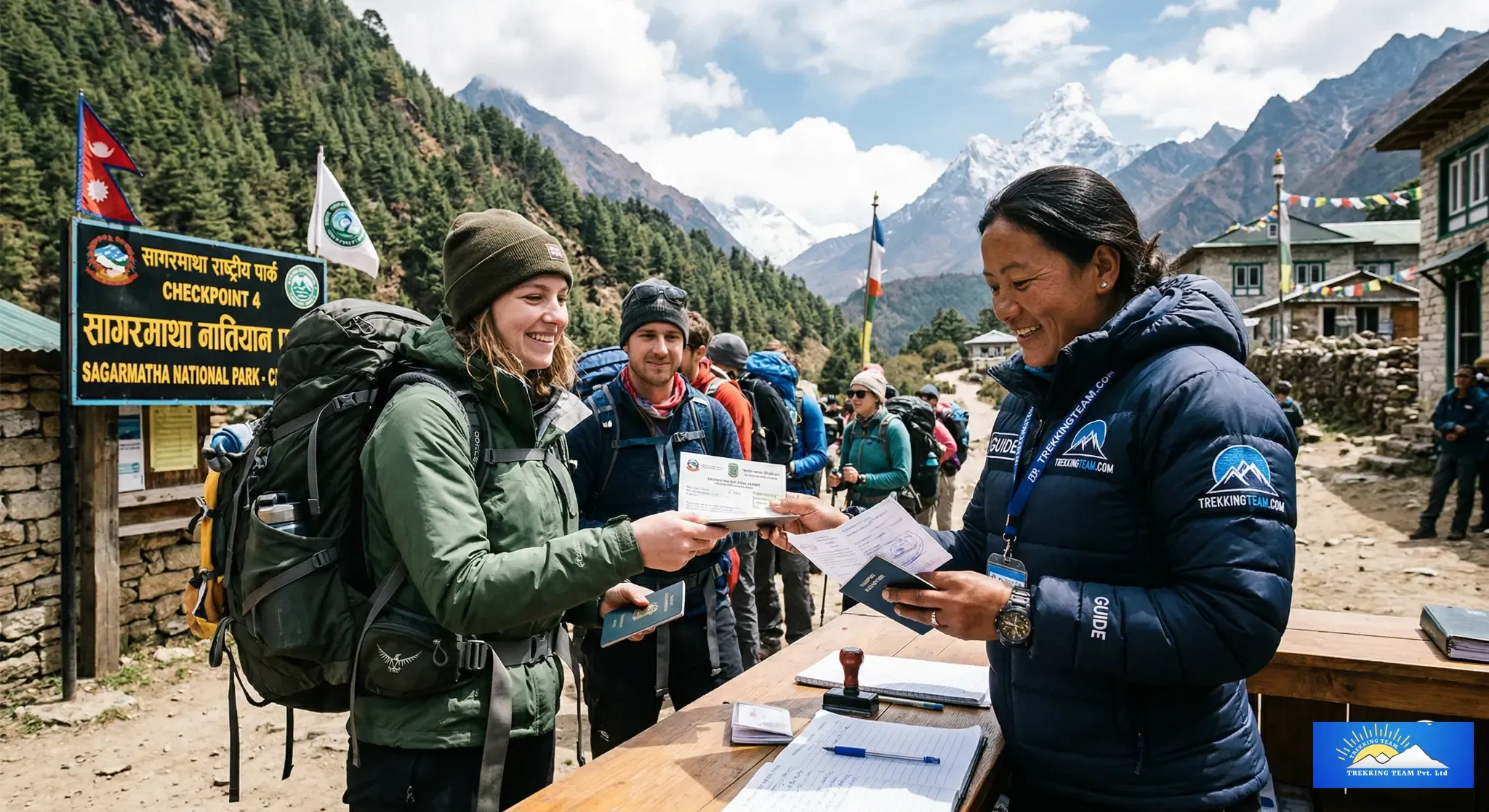
- Alien’s Travel Permit (PSB Permit): This is for "unopened" areas like Shigatse and EBC. The good news? Your guide usually handles this in Lhasa or Shigatse in just a few hours once they have your original passport.
- Military Area Entry Permit: This is the heavy hitter. It’s mandatory for sensitive border regions like Ngari (Mount Kailash) and parts of Nyingchi. Because it involves the military affairs office, this requires an additional 15-20 days of lead time.
- Foreign Affairs Permit: A final requirement for remote border crossings and specific spiritual sites in the far west.
| Area of Visit | Permits Required | Processing Location |
| Lhasa City & Surroundings | Tibet Travel Permit (TTP) | Lhasa (via Agency) |
| Everest Base Camp (EBC) | TTP + Alien's Travel Permit | Lhasa/Shigatse (PSB) |
| Mount Kailash (Ngari) | TTP + PSB + Military + Foreign Affairs | Lhasa (Pre-departure) |
| Nyingchi (Border regions) | TTP + Military Permit | Lhasa (Pre-departure) |
To complete our 2026 guide, we explore the spiritual pulse of the Plateau and the flavors that define the Tibetan soul. From the historic streets of Lhasa to the ultimate "Horse Year" pilgrimage at Mount Kailash, this is where the journey becomes truly transformative.
The Heart of the Plateau: Where Faith Meets the Sky
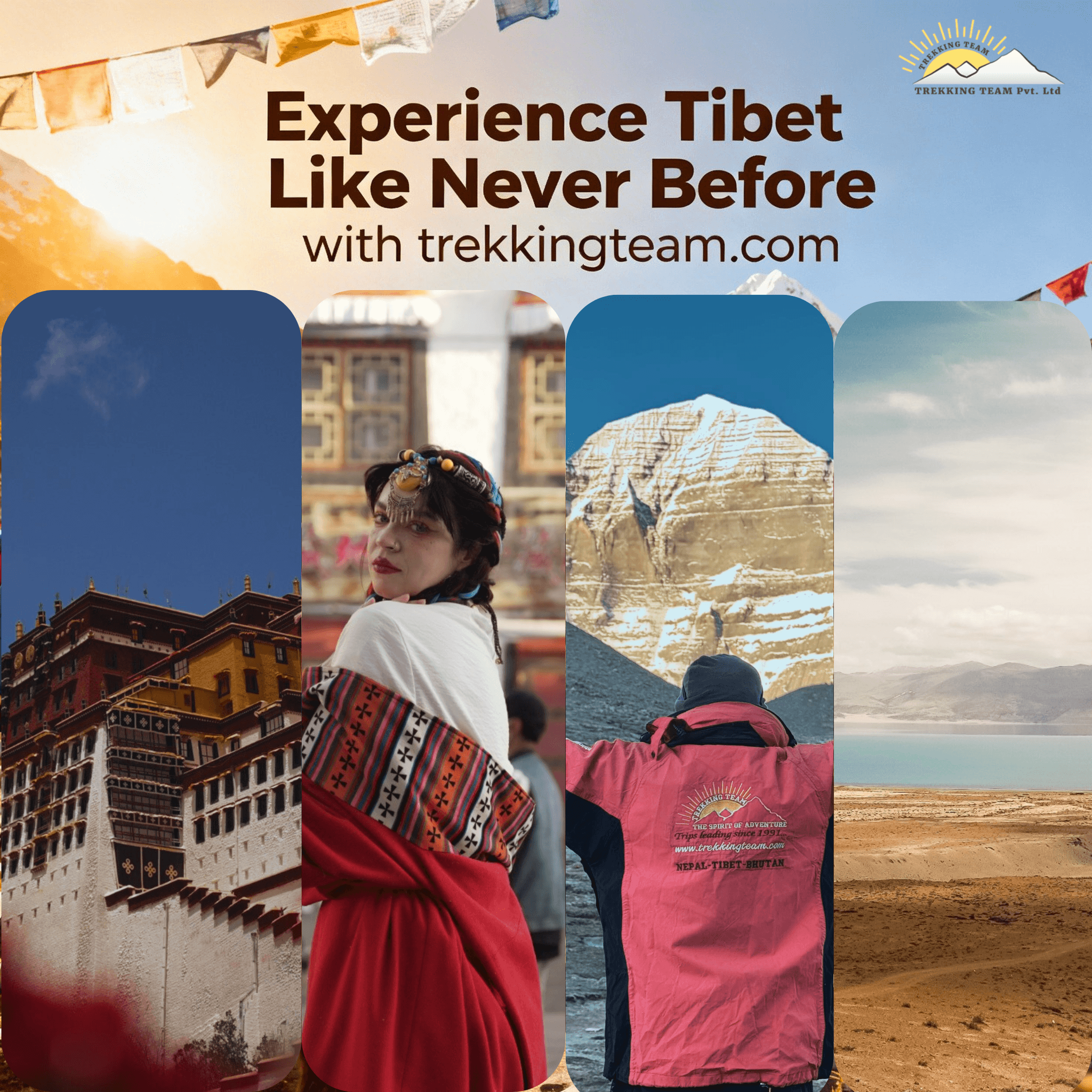
Tibet isn't just a destination; it’s a living museum of Himalayan heritage. Most travelers focus on three core regions: the cultural hub of Lhasa, the dramatic heights of Everest, and the mystical far-west Ngari.
Lhasa: The "Place of the Gods"
Lhasa is the starting point for almost every adventure. It’s a city where ancient tradition and rapid modern development exist side-by-side.
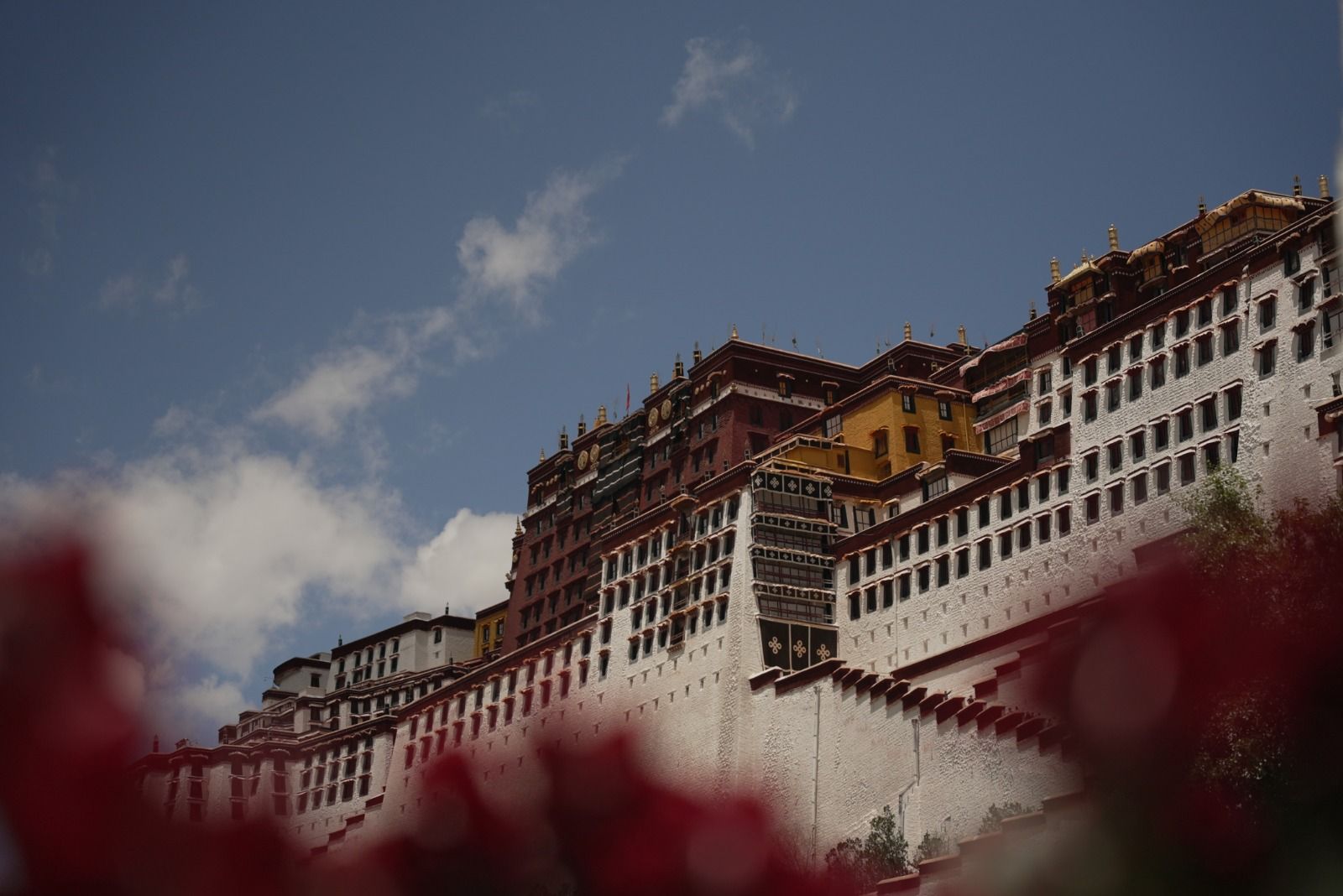
- The Potala Palace: Perched high on Marpo Ri hill, this UNESCO site was the winter home of the Dalai Lamas. With over 1,000 rooms, it houses sacred chapels and the historic meditation cave of King Songtsen Gampo.
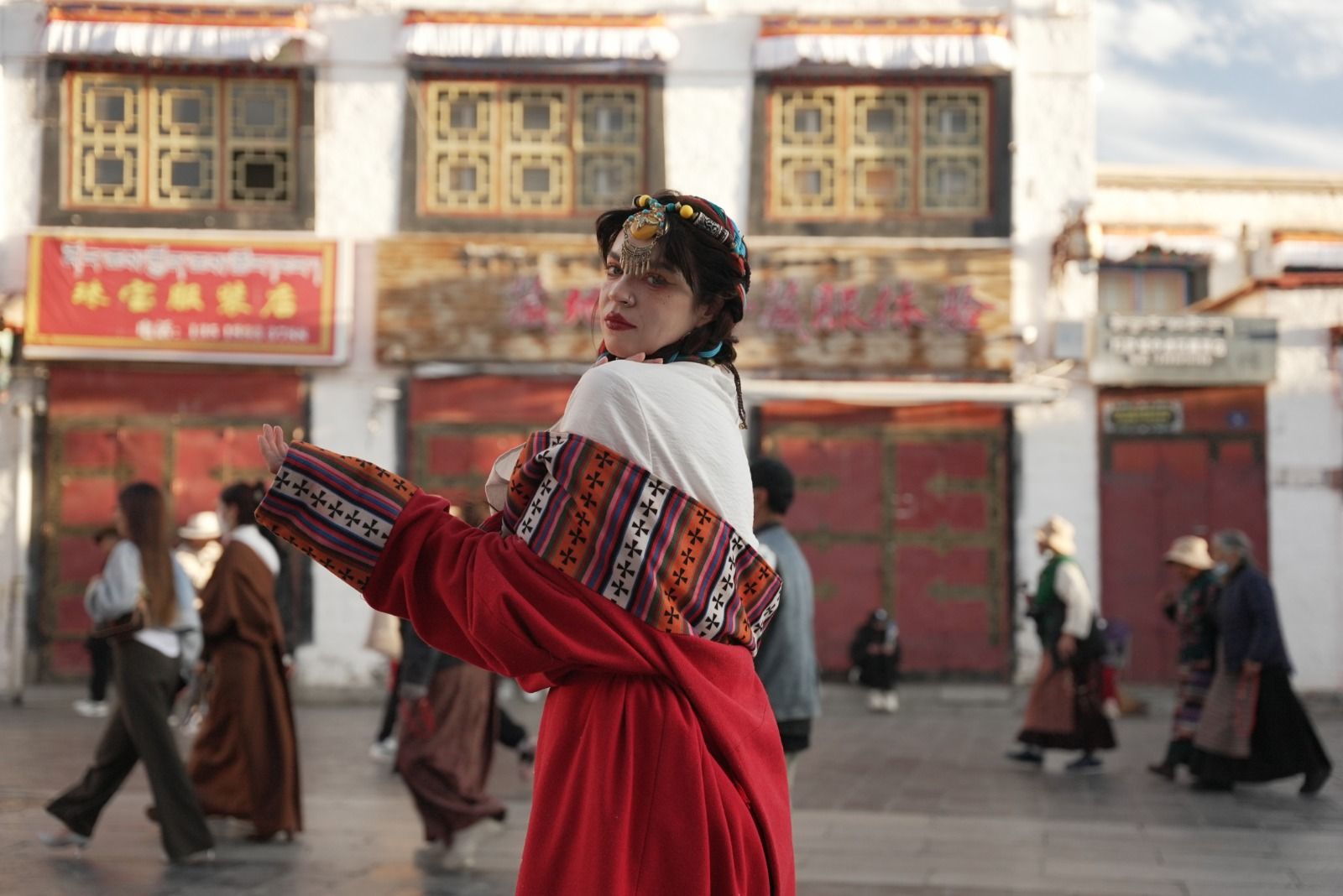
- Jokhang Temple & Barkhor Street: This is the spiritual center of Tibet. Pilgrims from across the plateau converge here to circumambulate (Kora) the temple, their rhythmic prayers filling the air as they visit the sacred Jowo Shakyamuni Buddha.
- Sera Monastery: Famous for its lively afternoon debates, where monks use rhythmic clapping and sharp gestures to test their mastery of Buddhist logic—a spectacle of intellectual energy.
Mount Everest: The World’s Highest Backyard
On the Tibetan side, Everest Base Camp (EBC) offers a raw, unobstructed view of the North Face. Unlike the Nepal side, you can reach this base camp (5,200m) by road, making it one of the most accessible high-altitude wonders on Earth.
- Rongbuk Monastery: At nearly 5,000 meters, it is the world’s highest monastery and the ultimate vantage point for sunset over the peak.
- Eco-Travel: To keep the mountain pristine, the final stretch to the camp is now completed on eco-electric buses. You can even stay in a traditional "tent hotel" run by local nomads for a truly grounded experience.
2026: The Year of the Fire Horse at Mount Kailash
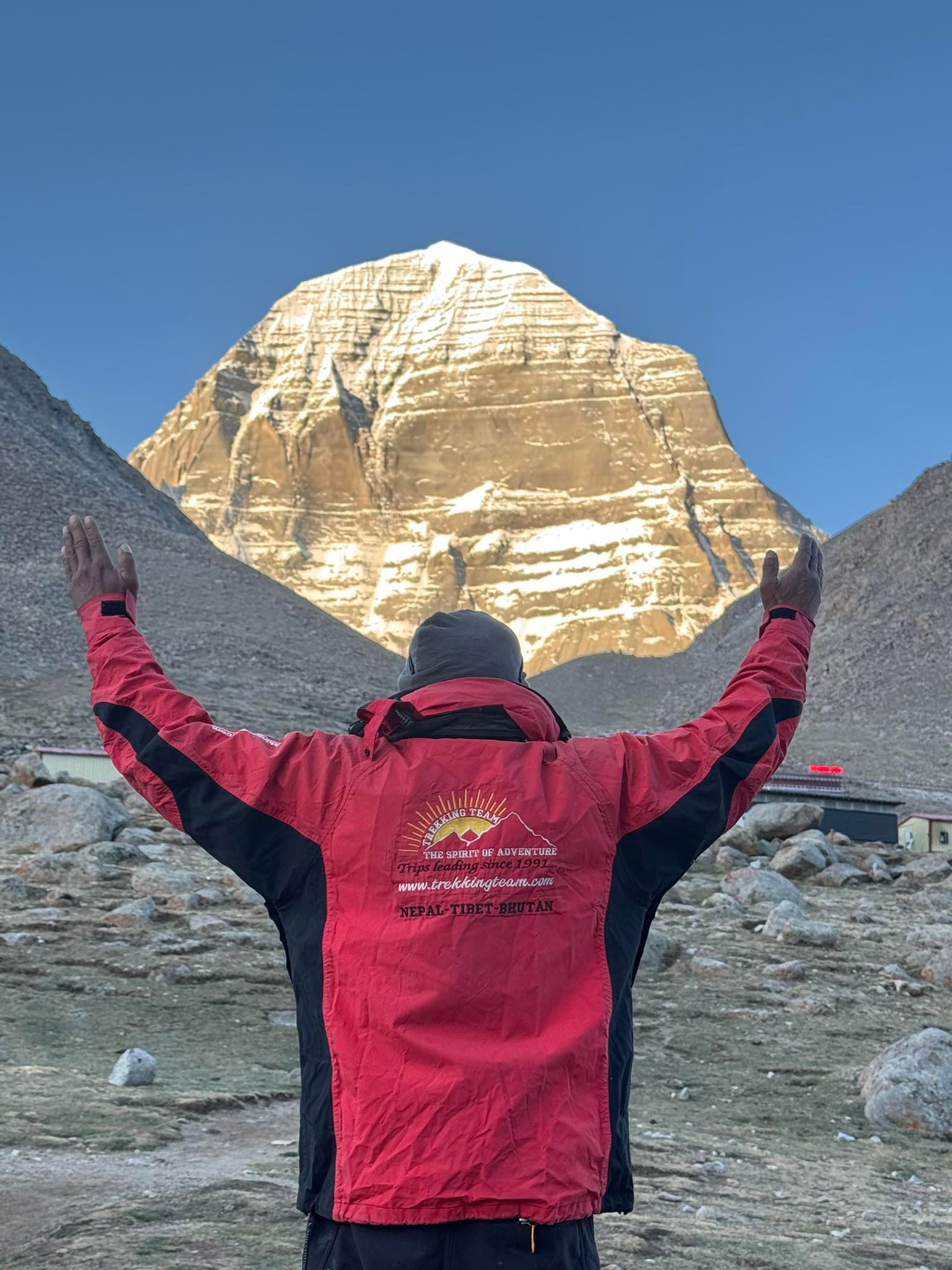
If there was ever a year to visit Mount Kailash, it is 2026. This 6,638m peak is considered the axis mundi—the center of the world—by four different religions.
Why 2026 is special: In the Tibetan calendar, 2026 is the Year of the Fire Horse. Tradition holds that a single 52km trek (Kora) around the mountain during a Horse Year grants the merit of thirteen circuits performed at any other time.
| Festival Name | 2026 Date | Spiritual and Cultural Significance |
| Losar (New Year) | Feb 18 | Start of the Fire Horse Year; family gatherings; guthuk soup. |
| Monlam Prayer | Feb 20–27 | Highest religious seminar; thousands of monks gather in Lhasa. |
| Butter Lamp Fest | Mar 3 | 15th day of 1st month; elaborate butter sculptures. |
| Saga Dawa Düchen | May 31 | Full moon; celebrates Buddha’s birth, enlightenment, nirvana. |
| Shoton Festival | Aug 12 | "Yogurt Festival"; giant Thangka unveiling; Tibetan opera. |
| Lhabab Düchen | Nov 1 | Commemorates Buddha's descent from the heavenly realm. |