Bhutan 2026: Why the "Last Shangri-La" Still Matters (And How to Do It Right)
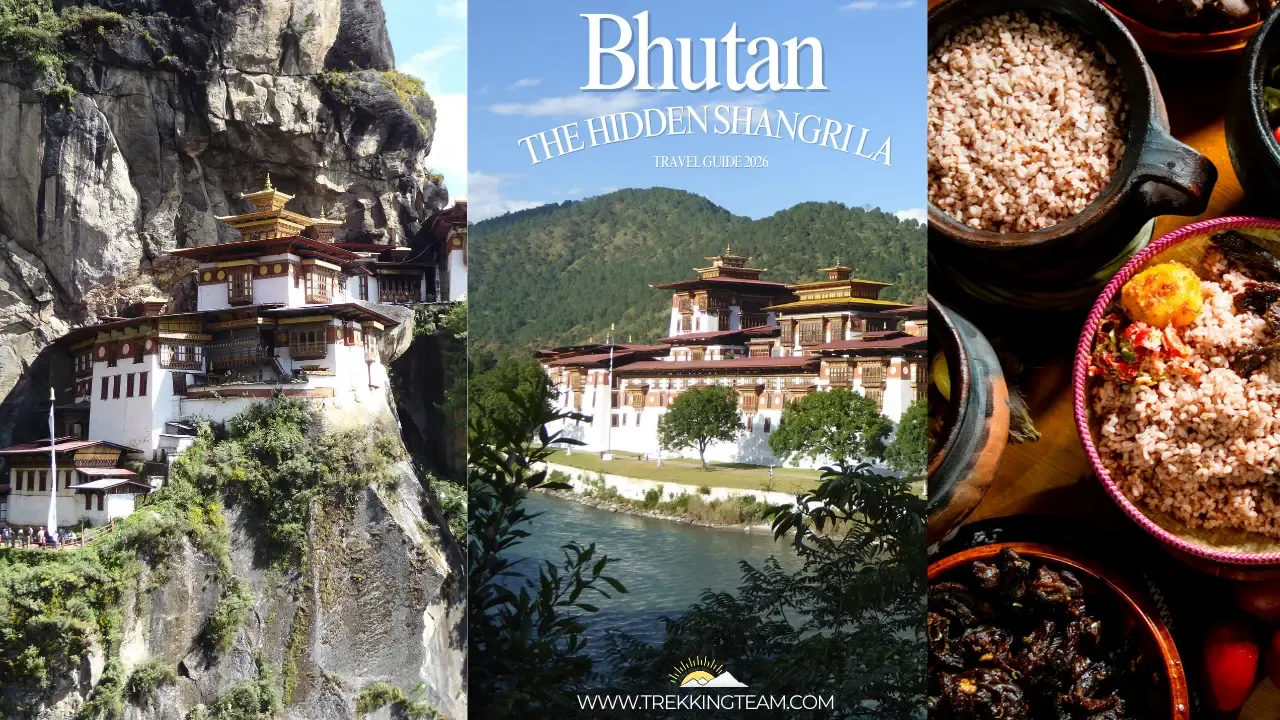
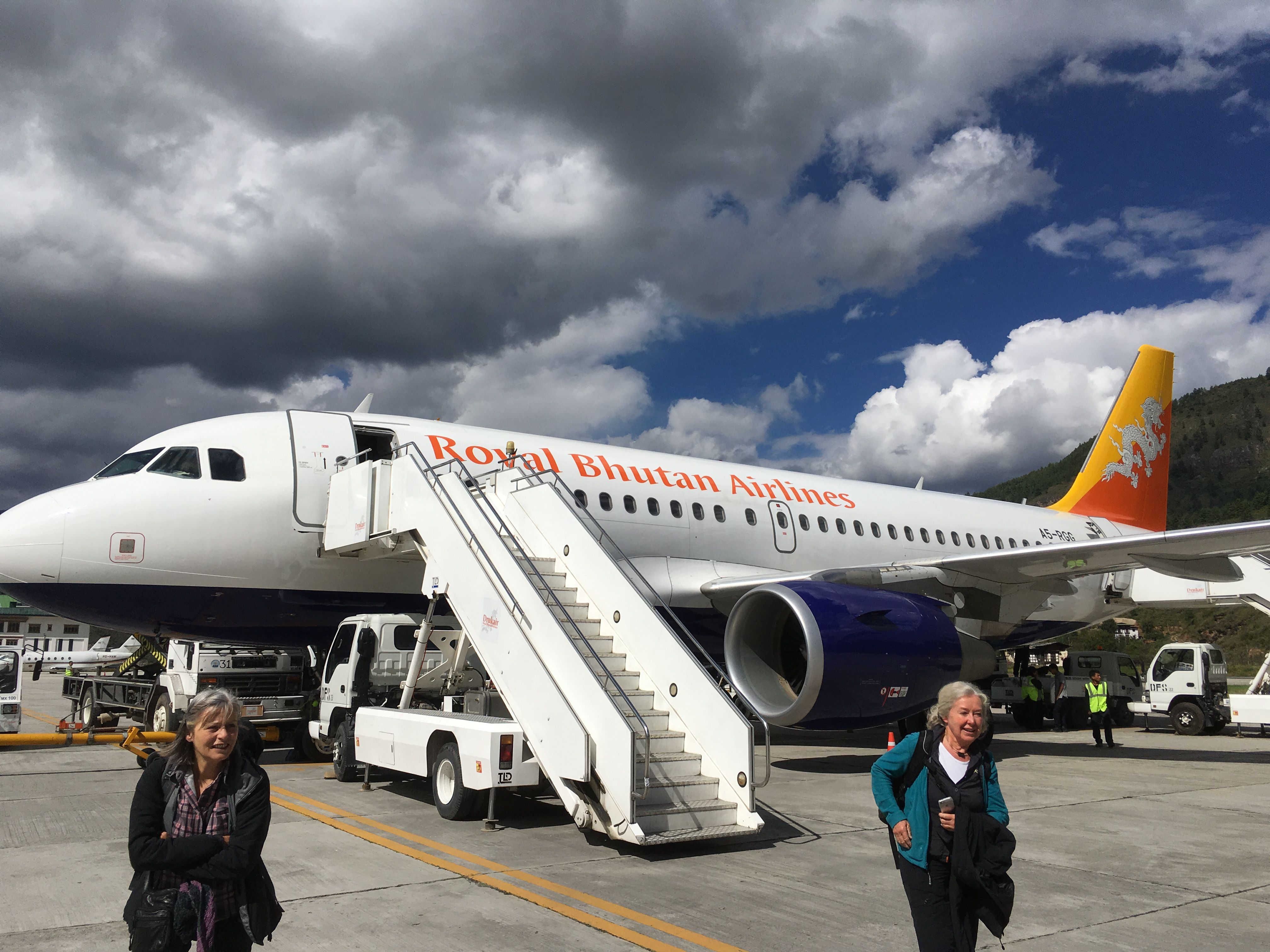
 We’ve spent the last 35 years navigating the high passes of the Himalayas, and we’ll tell you a secret: even after a decade, the flight into Paro still makes our hearts race. As the wings of the plane seemingly brush the emerald ridges of the valley, you realize you aren’t just landing in a new country you’re landing in a different century.
At Trekking Team Pvt Ltd, we’ve watched Bhutan evolve. As we move into 2026, the kingdom is balancing its ancient traditions with a few modern updates. If you’re looking for a trip that actually shifts your perspective, here’s the ground reality of what to expect this year.
1. Let’s Talk Money (The Honest Version)
We get asked about the "daily fee" more than anything else. Yes, Bhutan is an investment, but we believe it's one with a massive return on the soul.
The $100 SDF: The Sustainable Development Fee is still $100 per night for 2026. We like to tell our guests: don't look at it as a tax. Look at it as your contribution to a country that provides free healthcare and education to its people while remaining carbon-negative. You aren't just a tourist; you’re a patron of their way of life.
The New 5% GST: This kicked in on January 1st. It sounds like a headache, but it actually simplified things by replacing a bunch of messy, hidden service fees. When we send you a quote, that 5% is already baked in. No "surprise" bills at the end of your trek we hate those as much as you do.
2. The Moments You Can’t Script
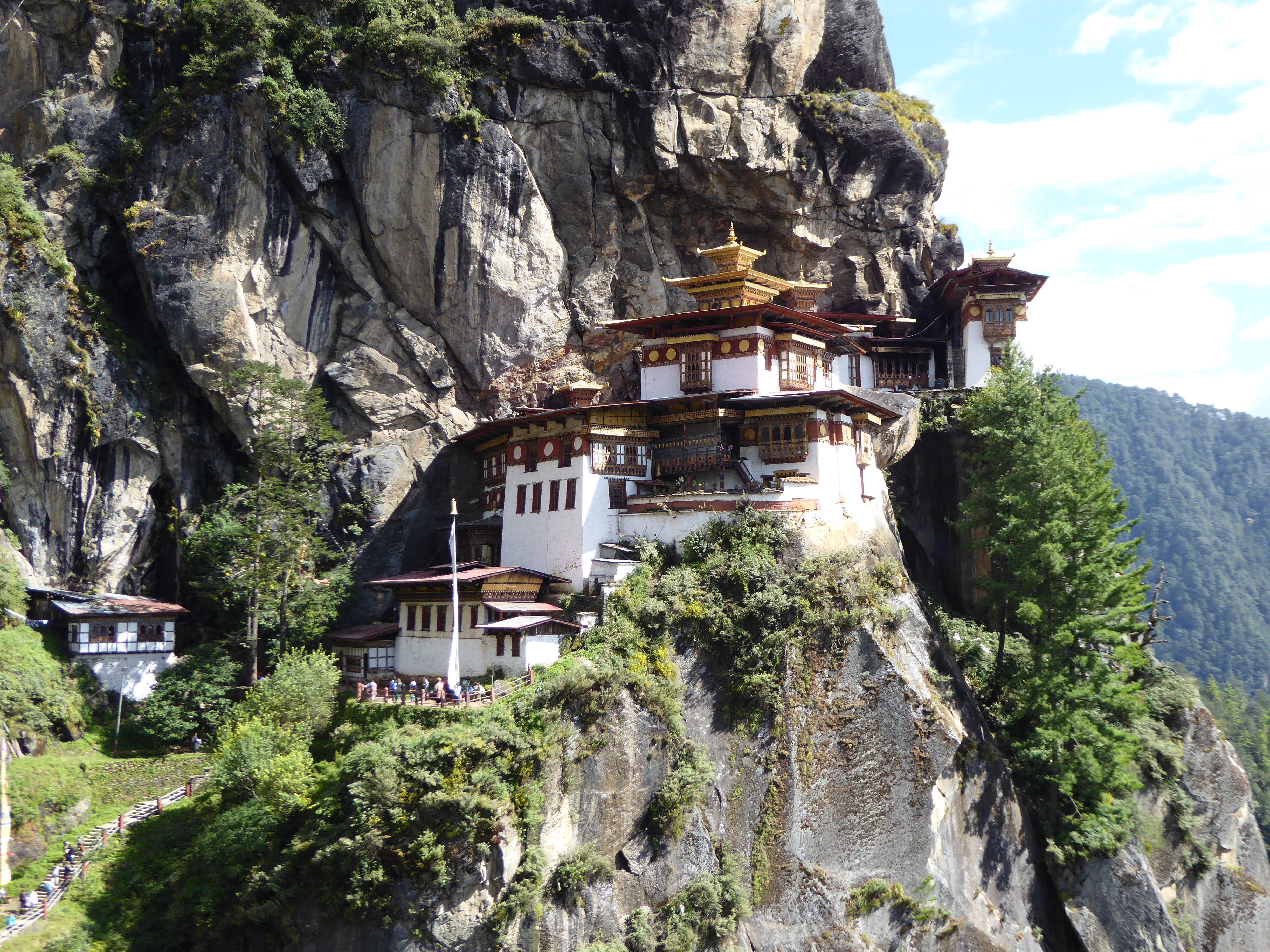
Everyone wants the "Tiger’s Nest" photo (and yes, we’ll take you there, it’s spectacular), but the moments our guests talk about years later are the ones that happen off-camera.
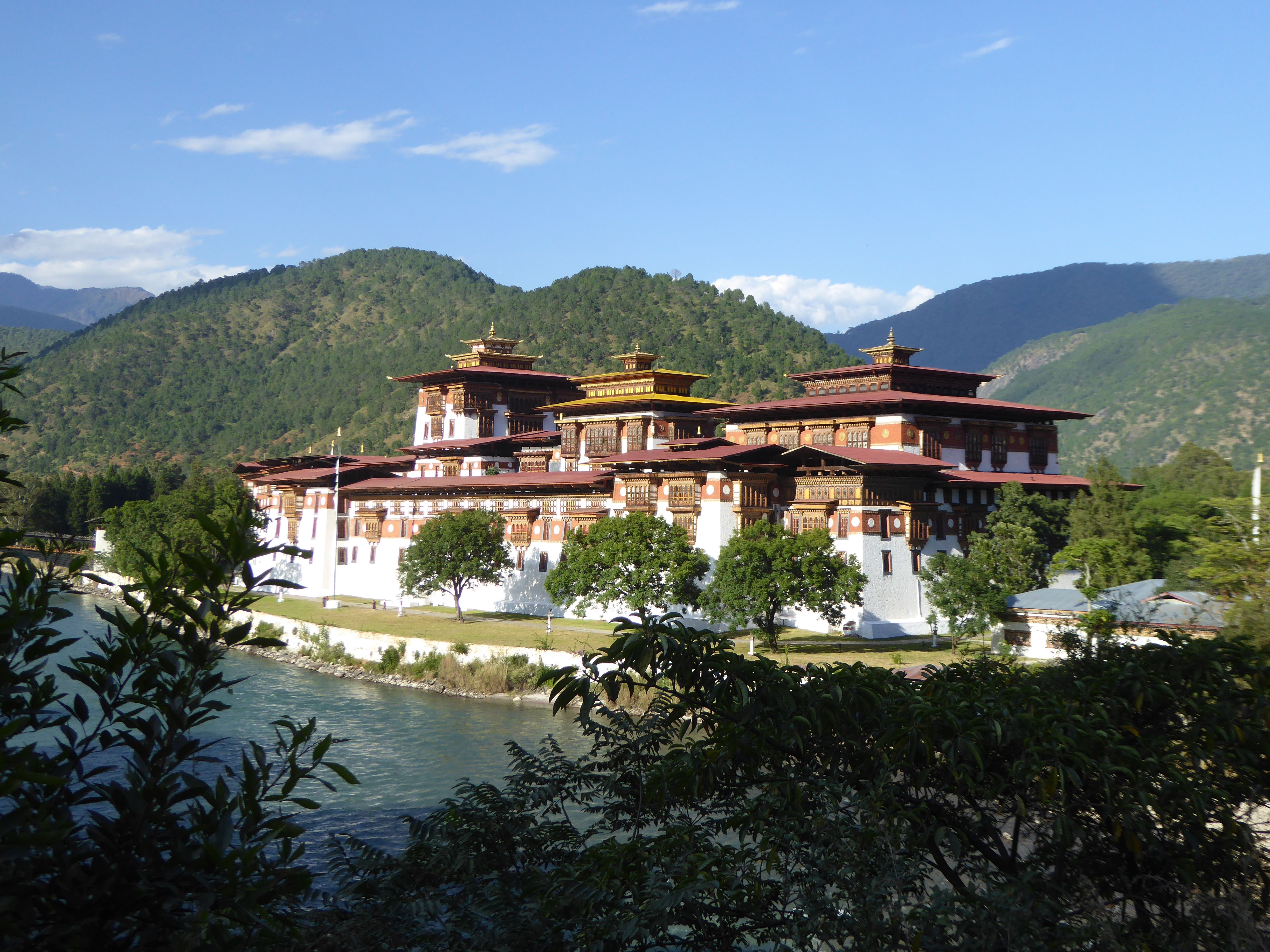
It’s the sound of the dungchen (long horns) vibrating through the floorboards of Punakha Dzong at dawn. It’s the smell of woodsmoke and salty butter tea (suja) in a drafty farmhouse in Phobjikha. It’s watching an archery match where the "trash talk" is just as sharp as the arrows. Those are the moments we live for.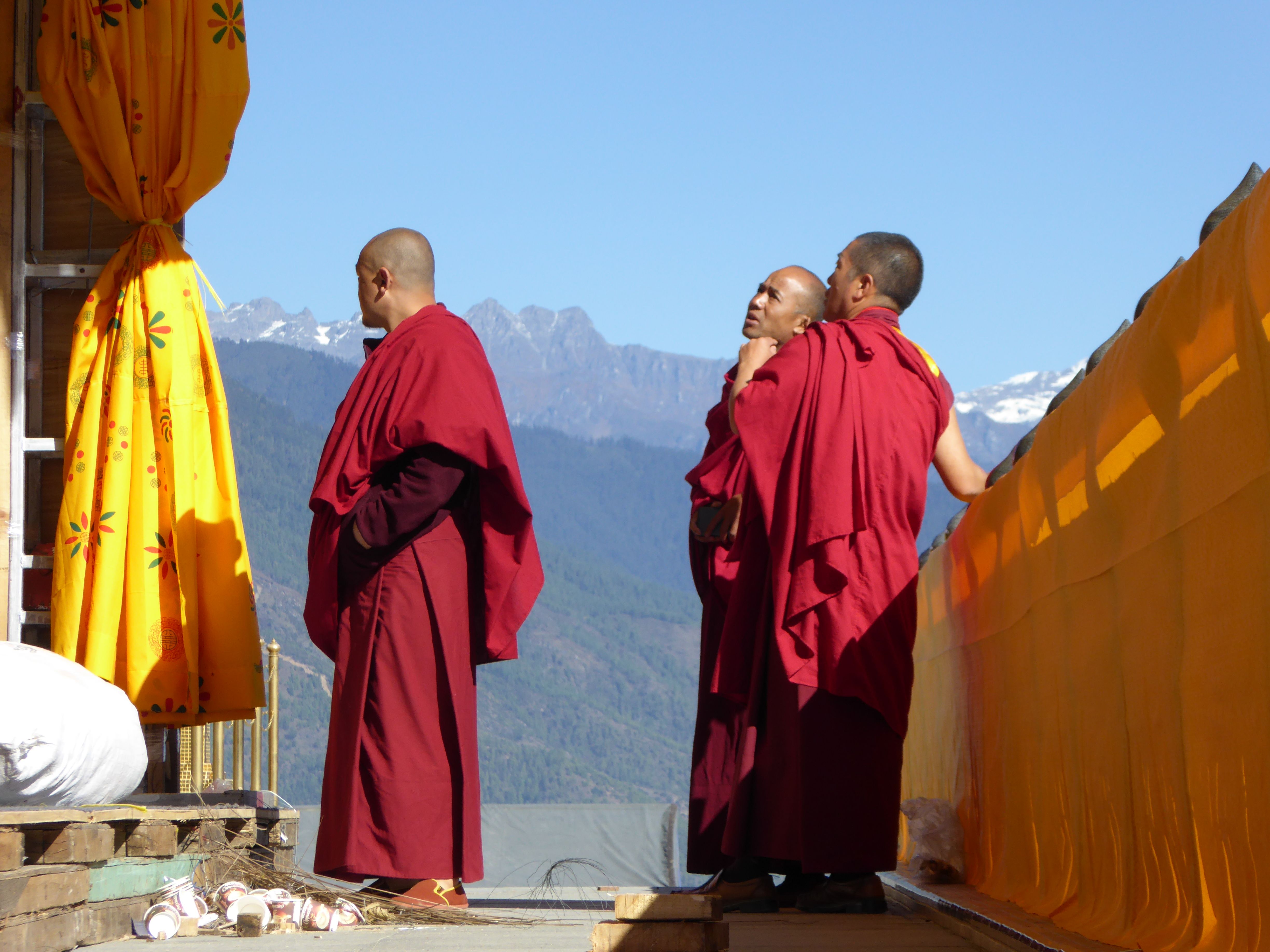
3. Our 2026 Recommendation: The Dagala "Solitude" Trek
If you want to dodge the crowds that 2026 will inevitably bring to the Druk Path, let us take you on the Dagala Thousand Lakes Trek.
It’s a 6-day moderate loop that most agencies overlook. You’ll walk through alpine meadows where the only other "travelers" you'll meet are nomadic yak herders. On a clear day, the lakes mirror Everest and Kanchenjunga so perfectly you’ll lose track of which way is up. It’s raw, it’s quiet, and it’s exactly what the soul needs.
4. When Should You Come?
Spring (March–May): If you want to see the valleys explode in pink and white rhododendrons. The Paro Tshechu (March 29 – April 2, 2026) is the big one it’s loud, colorful, and deeply moving.
Autumn (Sept–Nov): This is for the photographers. The air is so crisp the mountains look like they’ve been sharpened with a razor.
The "Insider" Window: Early December. The mornings are chilly, but the skies are empty, the crowds are gone, and the luxury lodges offer prices that make our accountants wince.
5. Why Trek with Our Team?
We've been in the hospitality industry a long time, and we’ve learned that a good trip is about flexibility. If we’re driving and you see a local festival in a village or a weaver working on a porch, we stop the car. We don't do "conveyor belt" tourism.
Whether you need a hand-holding through the visa process or a realistic talk about your fitness level for a high-altitude pass, we are here to give it to you straight.