Nepal Trekking Rules 2026: New Permits, Everest Fee Increase, Solo Trekking Update | Trekking Team Nepal
Published by Trekking Team Nepal — Est. 1991 | TAAN Member #1106 | NTB Registered
📅 April 2026 • ✍️ Trekking Team Editorial • ⏱️ 22 min read
Nepal's trekking and mountaineering regulations have changed more in the last 18 months than in the previous decade. Permit fees have been raised, new laws have been passed, solo trekking rules have been rewritten, and an entirely new Tourism Bill is working its way through parliament that could reshape how Everest expeditions operate for decades.
We have been operating in this regulatory environment since 1991 — through six different governments, three constitutions, an earthquake, a pandemic, and now the most ambitious set of tourism reforms Nepal has ever attempted. This guide reflects what is actually in effect right now, what is confirmed for the coming season, and what is still under parliamentary review. We distinguish clearly between what is law and what is proposal, because many other guides do not.
Every number, every fee, and every rule in this article is current as of April 2026.
The 8 Major Changes at a Glance
Before the detailed breakdown, here is what has changed since 2024:
| Change | Status | Effective Date |
|---|---|---|
| Everest climbing permit fee raised from USD 11,000 to USD 15,000 | In effect | September 1, 2025 |
| Mandatory licensed guide for all foreign trekkers | In effect | April 2023, strictly enforced in 2026 |
| Solo trekking now permitted in restricted areas (no two-person minimum) | In effect | March 2026 |
| TIMS card abolished — replaced by municipality permits | In effect | 2023 onwards |
| Khumbu Pasang Lhamu Rural Municipality permit required for Everest region | In effect | 2023 onwards |
| 97 peaks in far-western Nepal open for free climbing (no permit fee) | In effect | July 2025 – 2027 |
| New Tourism Bill requiring 7,000m summit before Everest attempt | Passed Upper House, awaiting Lower House vote | Not yet law |
| Climbing permit validity reduced from 75 days to 55 days | In effect | 2025 onwards |
Now let us examine each change in full detail.
1. Everest Climbing Permit Fee: USD 11,000 to USD 15,000
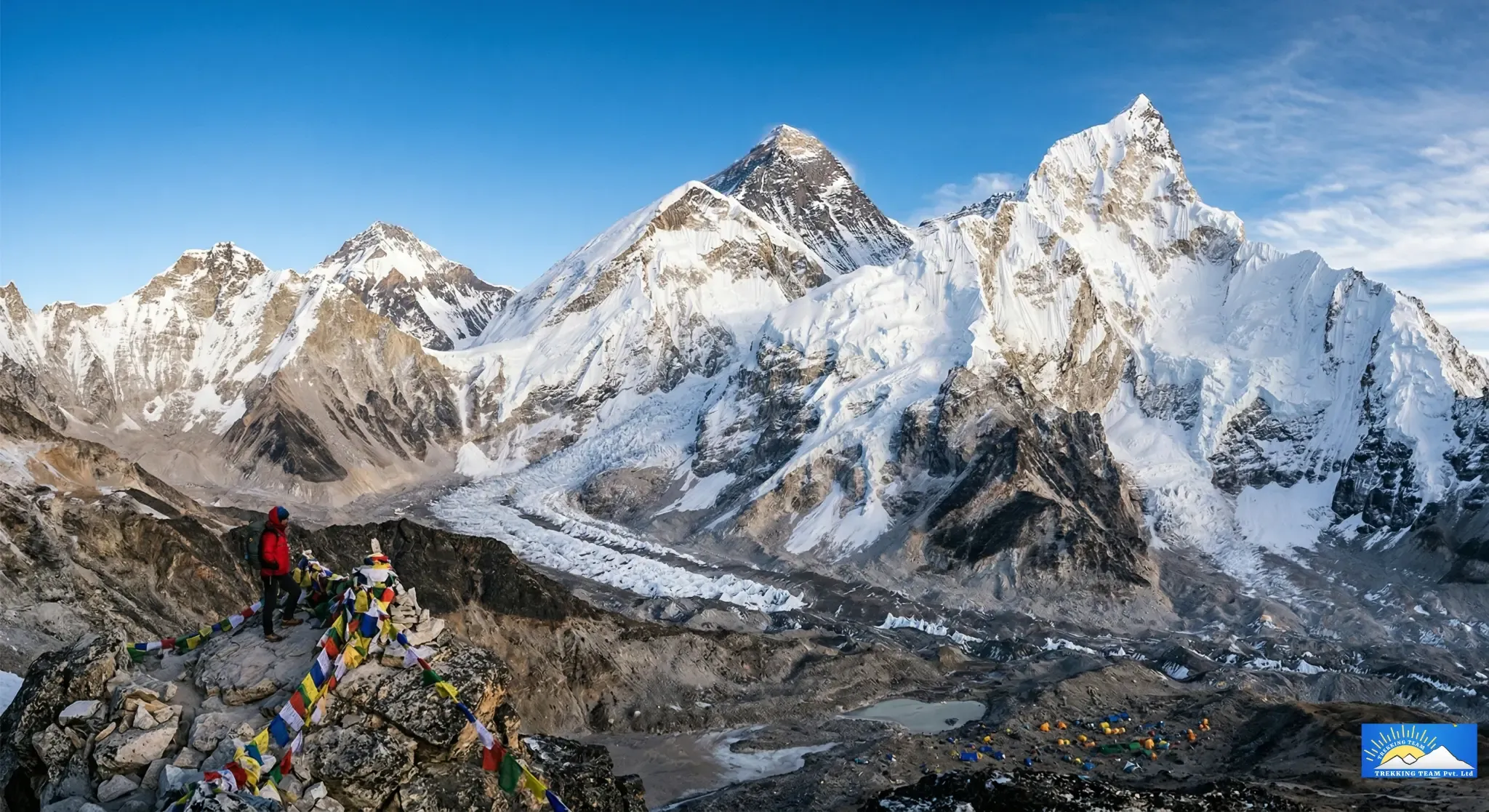
The most widely reported change. On January 8, 2025, Nepal's cabinet approved a 36 percent increase in the royalty fee for foreign climbers on Mount Everest via the standard South-East Ridge route. The new fee took effect on September 1, 2025, making the Spring 2026 season the first major climbing season under the new pricing.
The full breakdown by season:
| Season | Previous Fee | New Fee (2026) |
|---|---|---|
| Spring (March – May) | USD 11,000 | USD 15,000 |
| Autumn (September – November) | USD 5,500 | USD 7,500 |
| Winter (December – February) | USD 2,750 | USD 3,750 |
| Monsoon (June – August) | USD 2,750 | USD 3,750 |
| Nepali climbers (Spring) | NPR 75,000 | NPR 150,000 |
Other 8,000-metre peaks also increased:
| Peak | Previous Fee (Spring) | New Fee (Spring 2026) |
|---|---|---|
| Lhotse, Makalu, Kangchenjunga, Cho Oyu, Dhaulagiri, Annapurna I, Manaslu | USD 1,800 | USD 3,000 |
| Same peaks (Autumn) | USD 900 | USD 1,500 |
| Same peaks (Winter/Monsoon) | USD 450 | USD 750 |
What the fee increase funds: The Nepal government has stated that additional revenue will support waste management programmes, rescue operations, weather forecasting systems, and infrastructure improvements in mountain communities. In Spring 2025, cleanup teams collected 85 tonnes of waste from the Everest region, including nearly 28 tonnes of human waste.
What this means for trekkers (not climbers): This fee increase applies to mountaineering expeditions, not to trekkers. If you are trekking to Everest Base Camp, you do not pay the USD 15,000 climbing permit. Your permit costs remain approximately USD 35–40 (Sagarmatha National Park permit + Khumbu Rural Municipality permit). The EBC trek cost is not affected by the climbing fee increase.
Our perspective after 34 years: The previous USD 11,000 fee had been unchanged since 2015 — a decade without adjustment despite inflation, increased climber numbers, and mounting environmental costs. The increase was expected and, in our view, overdue. Whether it will meaningfully reduce overcrowding on the mountain remains to be seen — Everest has never been about affordability for climbers already spending USD 45,000 to USD 200,000 per expedition.
2. The New Tourism Bill: 7,000-Metre Requirement for Everest
This is the most significant proposed change in Himalayan mountaineering history — and it is important to understand that it is not yet law.
What happened: In February 2026, Nepal's National Assembly (Upper House) passed the Integrated Tourism Bill. Among its provisions, the bill requires that all climbers must have previously summited a peak above 7,000 metres in Nepal before being eligible for an Everest climbing permit.
Current status (April 2026): The bill has passed the Upper House but must still be voted on by the House of Representatives (Lower House) following Nepal's March 5, 2026 general elections. After the Lower House vote, it returns to the Upper House for final approval, then goes to the President for signature. Even after signature, a grace period of approximately three months is standard before implementation.
What this means practically: The 7,000-metre requirement is almost certainly not in effect for the Spring 2026 climbing season. It may take effect for Autumn 2026 or Spring 2027, depending on parliamentary timelines. However, some climbers who had been considering Everest without prior Nepal 7,000-metre experience may accelerate their plans to climb this spring before the law takes effect.
Other provisions in the Tourism Bill:
- Stricter health certification requirements for high-altitude climbers
- Enhanced oversight and licensing standards for trekking and climbing companies
- A non-refundable conservation fee replacing the current refundable USD 4,000 waste deposit system
- Revenue directed to a Mountaineers' Welfare Fund and environmental protection initiatives
- Formalised responsibility for expedition operators to coordinate search and rescue
What this means for trekkers: The 7,000-metre requirement applies to Everest climbers, not to EBC trekkers. If you are trekking to Base Camp, this bill does not affect you. Your permits, guide requirements, and costs remain unchanged.
Our take: There are 86 peaks between 7,000 and 7,999 metres in Nepal, with climbing royalties ranging from USD 500 to USD 800 in spring. This requirement, when implemented, will effectively require climbers to spend an additional expedition season in Nepal before attempting Everest — generating revenue, building experience, and creating employment for guides and support staff across lesser-known peaks. For climbers interested in building their experience, we offer Mera Peak and Island Peak expedition packages that serve as ideal preparation for higher objectives.
3. Mandatory Licensed Guide for All Foreign Trekkers
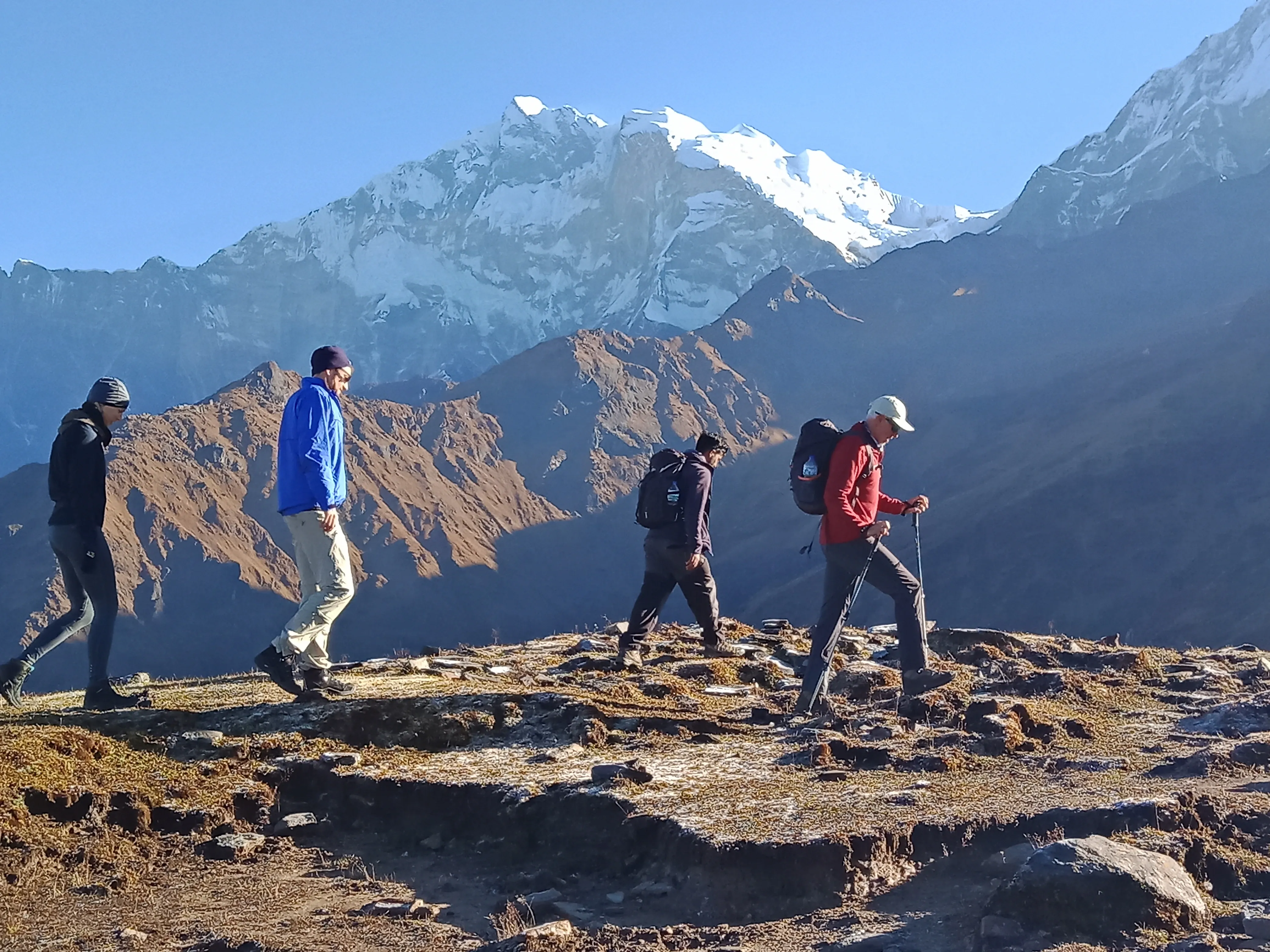
This rule was announced in 2023 and is now strictly enforced across all national parks and conservation areas in Nepal.
The rule: All foreign trekkers must be accompanied by a licensed trekking guide hired through a TAAN-registered agency. Independent solo trekking without a guide is no longer permitted in any trekking area.
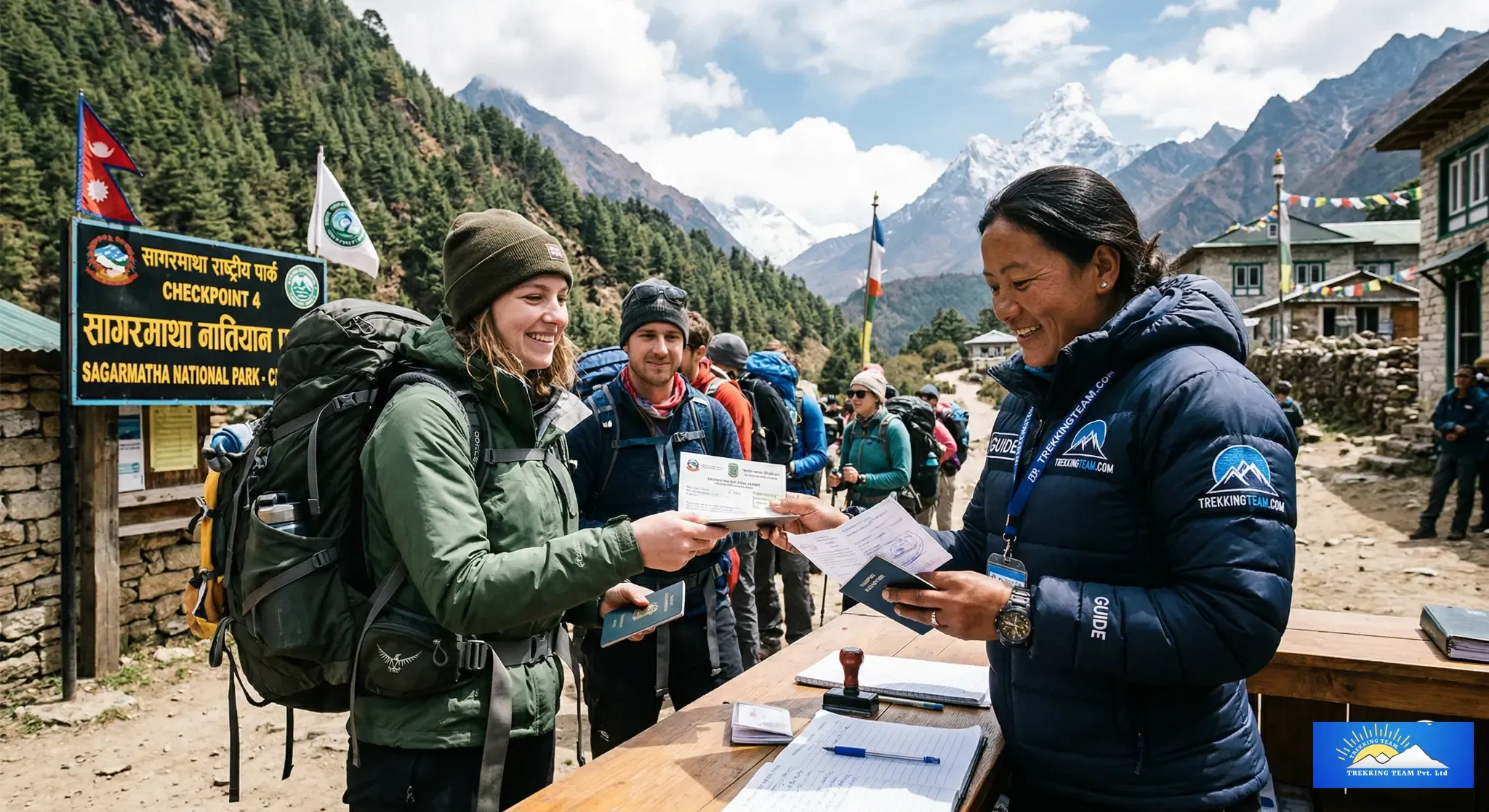
How it is enforced: Permit checkpoints verify that every foreign trekker has a guide. Trekkers without a guide are turned back. This is not a suggestion — it is actively checked at entry points to Sagarmatha National Park (Everest region), Annapurna Conservation Area, Langtang National Park, and all other trekking zones.
Guide costs in 2026:
| Service | Daily Cost |
|---|---|
| Licensed trekking guide | USD 25–35/day |
| Guide food and accommodation | USD 10–15/day (paid by trekker) |
| Porter | USD 18–25/day |
| Porter food and accommodation | USD 8–12/day |
What changed about the TIMS card: The old paper TIMS (Trekkers' Information Management System) card has been abolished. In its place, local municipality permits have been introduced in each trekking region. For the Everest region, this is the Khumbu Pasang Lhamu Rural Municipality permit. For the Annapurna region, the conservation area permit (ACAP) remains in place.
Why we support this rule: In the years before the guide mandate, we regularly encountered trekkers who were lost, sick, dehydrated, or disoriented on the trail with no support and no way to communicate. Search and rescue operations for solo trekkers increased by nearly 40 percent between 2015 and 2025. The guide requirement has made Nepal's trails measurably safer. A guide is not a luxury — at altitude, in unpredictable weather, on unfamiliar terrain, a guide is a safety system. Read our acclimatization guide to understand why professional guidance matters at high altitude.
Watch: Altitude Sickness — The 5 Warning Signs Every Trekker Must Know
One of the most critical safety issues that guides help manage is altitude sickness. We created this short video guide covering the five symptoms you must never ignore and the three rules that save lives above 3,500 metres. Watch it before your trek — it could save your life.
📺 Watch on YouTube: Altitude Sickness — 5 Warning Signs and 3 Survival Rules
4. Solo Trekking in Restricted Areas: The Two-Person Minimum Is Gone
In March 2026, Nepal's Department of Immigration announced one of the most traveller-friendly policy changes in restricted area trekking history. We covered this in detail in our solo trekking restrictions update.
Previously: Restricted areas such as Upper Mustang, Manaslu Circuit, Tsum Valley, Lower and Upper Dolpo, Nar Phu Valley, and Kanchenjunga required a minimum of two foreign trekkers travelling together. Solo travellers had to find a partner or join a group before a permit would be issued.
Now (March 2026): A single foreign trekker can obtain a Restricted Area Permit (RAP) for all restricted zones, provided they meet all other requirements — specifically, booking through a registered agency and hiring a mandatory licensed guide.
What has NOT changed: You still need to book through a registered trekking agency. You still need a licensed guide. The daily permit fees for restricted areas remain the same. The only change is the removal of the two-person minimum.
Restricted area permit fees (unchanged in 2026):
| Region | Daily Fee | Minimum |
|---|---|---|
| Upper Mustang | USD 50/day | 10 days minimum |
| Manaslu Circuit (Peak season) | USD 100/week | - |
| Manaslu Circuit (Off-season) | USD 75/week | - |
| Tsum Valley | USD 50/week | - |
| Lower Dolpo | USD 20/day (first 10 days), USD 10/day after | - |
| Upper Dolpo | USD 50/day | - |
| Nar Phu Valley | USD 100/week (Peak), USD 75/week (Off) | - |
| Kanchenjunga | USD 20/day (first 4 weeks), USD 10/day after | - |
What this means for solo travellers: This is a significant win. Previously, solo trekkers who wanted to explore Manaslu, Upper Mustang, or Dolpo had to either wait for a partner, join a group departure, or pay for a "ghost second trekker" through an agency. Now, you can book these treks solo with full legal compliance. We have already received increased enquiries for solo Manaslu and Upper Mustang departures in 2026. Contact us to plan your solo restricted area trek.
5. New Environmental Regulations on Everest
Nepal has steadily tightened environmental requirements on the Everest climbing route over the past three years.
Currently in effect (2026):
Biodegradable waste bags mandatory. All climbers must carry biodegradable bags for human waste above Base Camp. These "wag bags" must be carried down to Base Camp for proper disposal. This rule, introduced in 2025, is now strictly enforced.
Eight-kilogram waste rule. Each climber must bring down a minimum of eight kilograms of waste in addition to their own personal waste. This has been in place since 2014 but enforcement has intensified.
Waste deposit system. Climbers pay a refundable deposit of USD 4,000. This is refunded upon returning with waste bags intact. Under the new Tourism Bill (pending), this may become a non-refundable conservation fee.
Climbing permit validity reduced. Permits are now valid for 55 days, reduced from 75 days. This simplifies climbing logistics and reduces the length of time climbers occupy the mountain.
Gear restrictions. Climbers are only permitted to bring items listed in their permit documents, as issued by the Department of Tourism.
As a company that has prioritised environmental responsibility since our founding, we welcome these changes. Our upcoming Great Mountain Cleanup Project — a drone-assisted trail waste removal initiative across the Everest, Annapurna, Langtang, and Manaslu corridors — launches in July 2026 as our contribution to the same goal.
6. 97 Free Peaks in Far-Western Nepal
In one of its most creative tourism diversification efforts, Nepal has waived permit fees for 97 peaks in the Karnali and Sudurpaschim provinces for two full years (July 2025 through 2027).
These peaks range from 5,870 to 7,132 metres and include notable summits such as Saipal (7,031m) and Api Himal (7,132m). Several of the 7,000-metre peaks among them could serve as qualifying climbs under the proposed 7,000-metre Everest requirement.
Why this matters: The far-western region of Nepal is stunningly beautiful but economically underserved and rarely visited by tourists. By removing permit fees, Nepal is incentivising climbers and trekkers to explore these regions, distributing tourism revenue beyond the crowded Everest and Annapurna corridors.
The practical reality: These peaks are remote. Access typically requires a domestic flight to Nepalgunj or Surkhet followed by challenging road travel. Infrastructure is limited — accommodation is basic, trails are less established, and rescue access is slower. But for experienced climbers seeking authentic, uncrowded Himalayan experiences, these peaks represent a rare opportunity.
7. Current Trekking Permit Costs in 2026 (Complete Reference)
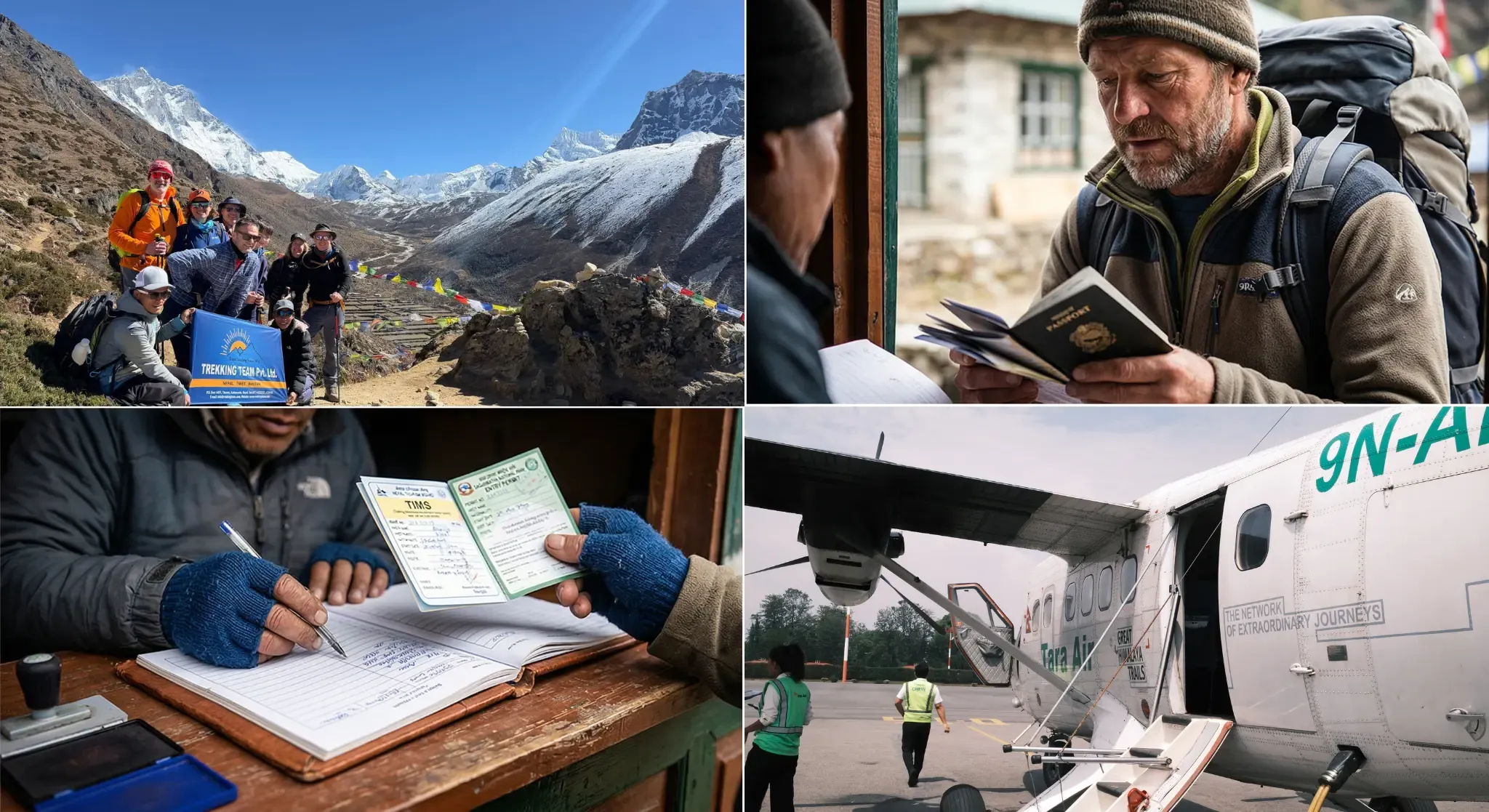
For trekkers (not climbers), here is the complete permit fee schedule currently in effect:
National Park and Conservation Area Entry Permits:
| Area | Foreign Nationals | SAARC Nationals |
|---|---|---|
| Sagarmatha National Park (Everest) | NPR 3,000 (~USD 22) | NPR 1,500 (~USD 11) |
| Annapurna Conservation Area (ACAP) | NPR 3,000 (~USD 22) | NPR 200 (~USD 1.50) |
| Langtang National Park | NPR 3,000 (~USD 22) | NPR 1,500 (~USD 11) |
| Makalu Barun National Park | NPR 3,000 (~USD 22) | NPR 1,500 (~USD 11) |
Local Municipality/Rural Municipality Permits:
| Area | Fee |
|---|---|
| Khumbu Pasang Lhamu (Everest region) | NPR 2,000 (~USD 15) |
| Gaurishankar (Rolwaling region) | NPR 2,000 (~USD 15) |
New in 2026 — Green Fee: A NPR 1,000 environmental tax has been added to permits in the Everest and Annapurna regions. This funds waste management programmes.
TIMS Card: No longer required. The TIMS system has been replaced by local municipality permits. You do not need to obtain a TIMS card for any trek in Nepal in 2026.
For a detailed breakdown of how these permit costs fit into your overall trek budget, see our complete Everest Base Camp Trek Cost 2026 guide.
8. Lukla Flights: Still Departing from Ramechhap
All flights to Lukla's Tenzing-Hillary Airport continue to depart from Manthali Airport in Ramechhap — not from Kathmandu's Tribhuvan International Airport. This change, implemented in 2019, remains in effect in 2026.
What this means for trekkers:
- Budget 4.5 to 5 hours for the pre-dawn road transfer from Kathmandu to Ramechhap
- Departure is typically at 3:00 to 4:00 AM to catch the early morning flight window
- The drive adds fatigue and cost (USD 25–40 for the road transfer if not included in your package)
There have been ongoing discussions about returning some flights to Tribhuvan International Airport, but as of April 2026, no change has been implemented.
The road alternative: Some trekkers choose to drive from Kathmandu directly to Phaplu or Salleri, bypassing Lukla entirely. This adds 2–3 days of lower-altitude trekking to reach the standard EBC route but eliminates the flight entirely — along with the risk of weather cancellations. We recommend this approach for trekkers who have extra time and want to acclimatize gradually.
What Has NOT Changed in 2026
For clarity, here are the things that remain the same:
- EBC trekking permit costs have not changed. Total permit cost for an Everest Base Camp trek remains approximately USD 35–40.
- Annapurna region permit costs have not changed. ACAP remains approximately USD 22.
- Restricted area daily fees have not changed. Upper Mustang, Manaslu, Dolpo, and other restricted areas maintain the same fee structures.
- The mandatory guide requirement remains in effect. All foreign trekkers must have a licensed guide.
- No limit on trekking permits. There is no cap on the number of trekking permits issued. The Everest climbing permit cap discussion applies to climbers, not trekkers.
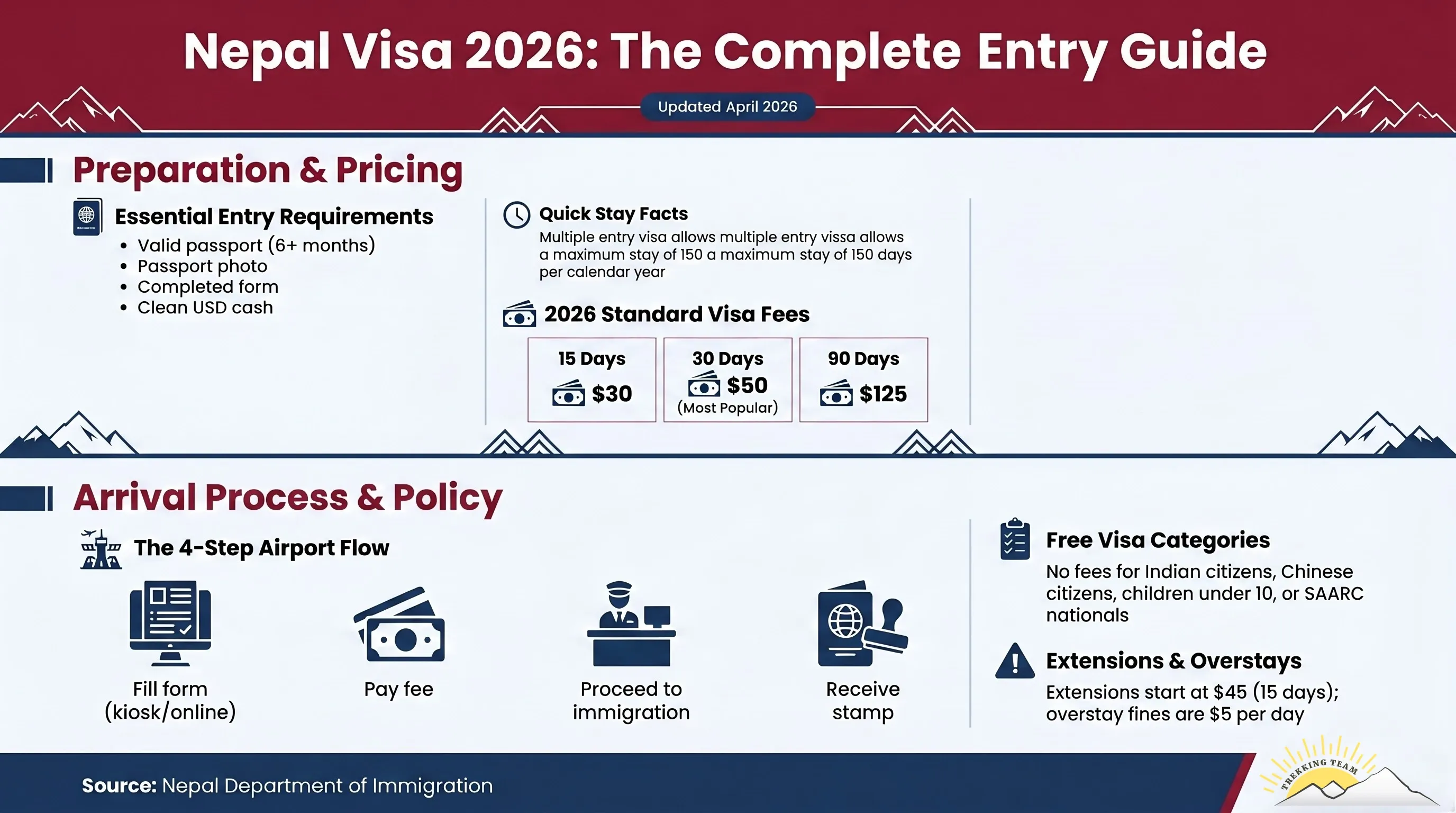
- Nepal visa fees remain unchanged. 15-day visa: USD 30. 30-day visa: USD 50. 90-day visa: USD 125.
- Teahouse accommodation is not affected by any regulatory change. The teahouse system operates independently of government permit regulations.
How These Changes Affect Your 2026 Trek
If you are trekking to Everest Base Camp: Your costs and requirements are essentially unchanged. You need a licensed guide, Sagarmatha National Park permit, Khumbu Rural Municipality permit, and the new Green Fee. Total permit cost: approximately USD 40. The Everest climbing fee increase does not affect trekkers. See our full EBC cost breakdown for complete budget details.
If you are trekking in the Annapurna region: No significant changes. ACAP permit plus Green Fee. Licensed guide required. Total permit cost: approximately USD 25. Our Mardi Himal Yoga Trek and Express Mardi Himal Trek are both available under the same permit structure.
If you are trekking in restricted areas (Manaslu, Upper Mustang, Dolpo): The biggest positive change — you can now trek solo (with a guide) without needing a second trekker. Permit fees unchanged. Licensed guide and registered agency still required. Read our full solo trekking update for details.
If you are climbing Everest: Budget significantly more. The permit alone is now USD 15,000. The 7,000-metre requirement is not yet law but may be by 2027. Climbing permits now valid for 55 days instead of 75. Waste management requirements are stricter.
If you are climbing other 8,000-metre peaks: Permit fees have increased from USD 1,800 to USD 3,000 (spring season). Plan accordingly.
If you are looking for affordable climbing: 97 peaks in far-western Nepal are permit-free through 2027. These include peaks above 7,000 metres that could qualify under the future Everest requirement.
Frequently Asked Questions
Has the cost of trekking to Everest Base Camp increased in 2026? The trekking permit fees have not increased significantly. The widely reported USD 15,000 fee increase applies to mountaineering permits for climbing Everest, not to trekking permits for the Base Camp trek. EBC trekking permits remain approximately USD 35–40 total. For a full budget breakdown, read our EBC Trek Cost 2026 guide.
Do I still need a guide for trekking in Nepal in 2026? Yes. All foreign trekkers in national parks and conservation areas must hire a licensed guide through a registered trekking agency. This has been mandatory since 2023 and is strictly enforced. Trekking Team Nepal provides licensed, experienced guides on all our treks.
Can I trek solo in Upper Mustang or Manaslu in 2026? Yes. As of March 2026, the two-person minimum for restricted area permits has been removed. A single trekker can now obtain a Restricted Area Permit, provided they book through a registered agency and hire a licensed guide. Read our full solo trekking update.
Is the TIMS card still required? No. The TIMS card has been abolished. Local municipality permits have replaced it in each trekking region.
Do I need to have climbed a 7,000-metre peak before climbing Everest? Not yet. This requirement is part of the new Tourism Bill that has passed the Upper House but has not yet been voted on by the Lower House. It is not in effect for the Spring 2026 climbing season.
What are the 97 free peaks in western Nepal? Nepal has waived permit fees for 97 peaks in the Karnali and Sudurpaschim provinces through 2027. These peaks range from 5,870 to 7,132 metres and include Saipal (7,031m) and Api Himal (7,132m). Access requires domestic flights and road travel to far-western Nepal.
How much does it cost to climb Everest in 2026? The permit alone is USD 15,000 (spring season). Total expedition costs range from USD 45,000 (budget operators) to over USD 200,000 (luxury guided expeditions), including gear, flights, insurance, guide support, and logistics.
Are there any new environmental rules for trekkers? A NPR 1,000 Green Fee has been added to permits in the Everest and Annapurna regions. Additionally, trekkers are encouraged to use water purification instead of bottled water, and waste awareness is increasingly emphasised on all trails.
How Trekking Team Nepal Navigates These Changes
We have operated through every regulatory change in Nepal's trekking history since 1991 — from the first permit systems to the current digital era. Here is how we handle the 2026 updates for our clients:
All permits included. Every Trekking Team package includes all required permits — national park entry, local municipality fees, the new Green Fee, and restricted area permits where applicable. You do not need to visit any government office yourself.
Licensed, experienced guides. All our guides hold valid NTB licences and have years of field experience. We do not subcontract to freelance guides or hire untrained staff to meet the mandate cheaply. Our TAAN membership (member since 1991) guarantees compliance with industry standards.
Solo trekker friendly. We welcome solo travellers on all routes, including the newly opened solo permits for Manaslu, Upper Mustang, and Dolpo. No surcharges for travelling alone on our standard packages.
Porter welfare guaranteed. We are members of the Porter Protection Group International (PPGI). Our porters are paid above TAAN-recommended minimums, fully insured, and provided with proper altitude clothing and equipment. We have maintained this standard since before it was required.
Current information, always. Regulations change. Sometimes with limited notice. Our team monitors government announcements, TAAN circulars, and Department of Tourism updates continuously. When rules change mid-season, we adapt immediately and inform affected clients.
Plan Your 2026 Trek
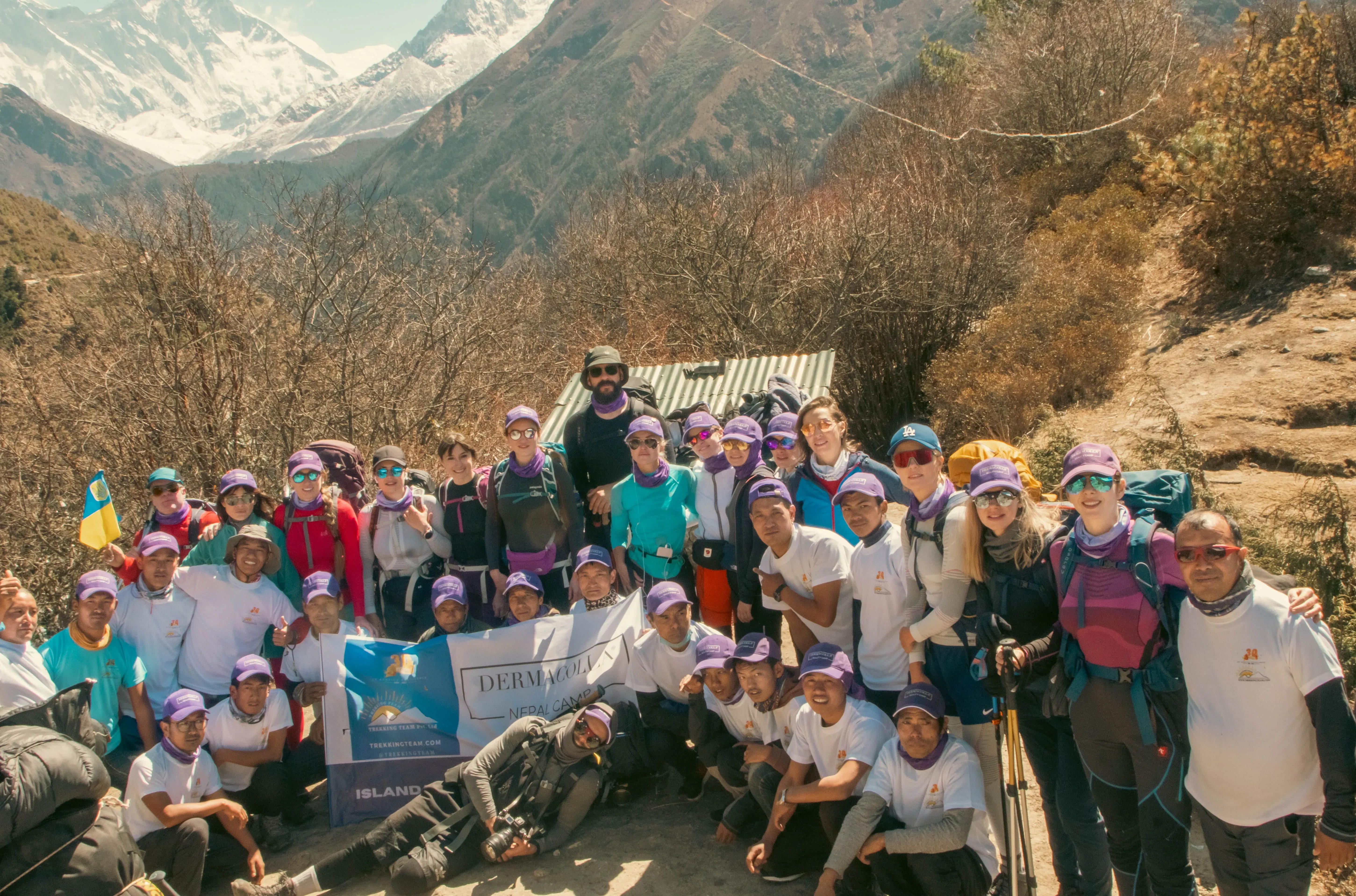
Whether you are trekking to Everest Base Camp, exploring the newly accessible solo routes of Manaslu and Upper Mustang, trying our Mardi Himal Yoga Trek, or considering a climb on one of Nepal's 97 permit-free peaks, we are here to help you navigate the current regulations and build a trek that matches your goals, budget, and experience level.
Listen to our podcast: For deeper conversations about trekking in Nepal — trail stories, guide interviews, regulation updates, and honest advice from 34 years of Himalayan experience — subscribe to our podcast on Spotify.
🎧 Listen on Spotify: Trekking Team Nepal Podcast
📺 Subscribe on YouTube: @TrekkingTeamNepal
Get in touch:
- Visit: trekkingteam.com
- WhatsApp: +977 9869400739
- Email: info@trekkingteam.com
Navigating Nepal's trails and regulations since 1991.
Complete guide to Nepal's 2026 trekking and climbing regulations. Everest permit fee raised to $15,000, solo trekking now allowed in restricted areas, new Tourism Bill explained. Updated April 2026 by Trekking Team Nepal.